

Introduction:
Running a food business demands precision, speed, and hygiene. A cleaner commercial kitchen is not just about appearance; it protects customers, boosts staff efficiency, and ensures compliance with health regulations. From grease buildup on cooktops to bacteria hiding in prep areas, every surface requires attention. Therefore, maintaining a spotless environment must become part of your daily operations—not an afterthought.
A professionally maintained cleaner commercial kitchen reduces cross-contamination, prevents pest infestations, and extends the lifespan of expensive equipment. Moreover, it strengthens your brand reputation. Health inspectors, customers, and employees immediately notice when a kitchen operates in pristine condition.
In this comprehensive guide from CleanHomeCraft, you’ll discover proven strategies, structured cleaning systems, and actionable tips to maintain a cleaner commercial kitchen every single day. Whether you manage a restaurant, café, hotel kitchen, or catering facility, this guide will help you build consistent cleaning standards that deliver measurable results.
Why a Cleaner Commercial Kitchen Matters
A cleaner commercial kitchen directly impacts food safety and operational success. When you maintain strict hygiene standards, you prevent contamination and reduce liability risks.
Health & Food Safety Compliance
Health departments require strict sanitation protocols. Consequently, regular cleaning helps you:
- Eliminate harmful bacteria like Salmonella and E. coli
- Prevent cross-contamination
- Maintain proper food storage conditions
- Pass health inspections with confidence
Furthermore, clean surfaces minimize microbial growth in high-risk areas such as prep stations and refrigeration units.
Equipment Longevity
Grease, carbon buildup, and food debris damage equipment over time. However, when you clean consistently, you:
- Improve appliance efficiency
- Reduce repair costs
- Extend equipment lifespan
- Lower energy consumption
For example, a regularly degreased fryer operates more efficiently and heats evenly.
Improved Staff Productivity
A cleaner commercial kitchen allows staff to work faster and safer. Clear countertops, sanitized tools, and organized storage eliminate unnecessary delays. As a result, workflow improves significantly during peak service hours.
Daily Tasks for a Cleaner Commercial Kitchen

Daily cleaning forms the foundation of kitchen hygiene. Without daily discipline, deeper cleaning becomes overwhelming.
Surface Sanitization
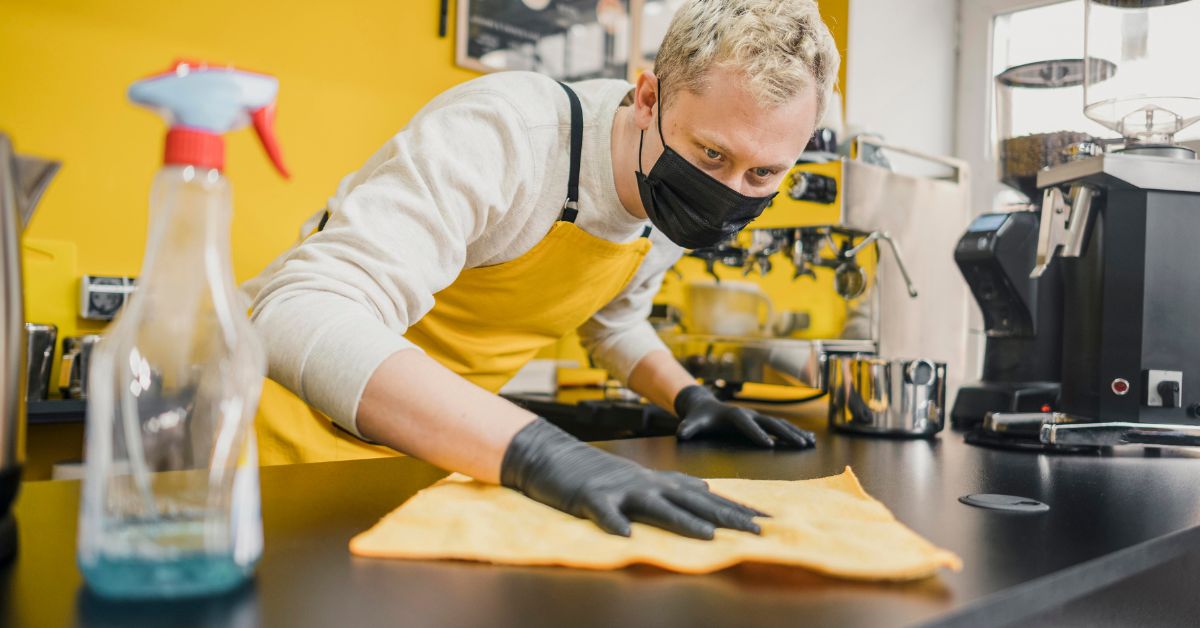
Clean and sanitize all food-contact surfaces after each task. Use approved commercial-grade sanitizers and follow proper dilution ratios.
Actionable Tip:
Assign a sanitation station with labeled spray bottles and disposable cloths. This encourages immediate cleaning during food prep.
Floor Cleaning
Sweeping alone is not enough. Instead:
- Sweep debris at least twice daily
- Mop with degreasing solution
- Pay special attention to corners and under equipment
Because grease accumulates quickly, consistent floor maintenance prevents slips and odors.
Trash Management
Overflowing trash compromises even a cleaner commercial kitchen. Therefore:
- Empty bins multiple times daily
- Use heavy-duty liners
- Sanitize trash cans before inserting new liners
This simple routine drastically reduces pest attraction.
Weekly Deep Cleaning for a Cleaner Commercial Kitchen
While daily cleaning handles surface-level dirt, weekly cleaning tackles buildup.
Degreasing Cooking Equipment
Stoves, grills, and ovens accumulate stubborn grease. To maintain a cleaner commercial kitchen:
- Remove detachable parts
- Soak in hot degreasing solution
- Scrub thoroughly
- Rinse and dry completely
Consistency prevents hardened carbon deposits that require expensive professional removal.
Cleaning Refrigeration Units
Refrigerators often hide spills and bacteria. Weekly tasks should include:
- Removing shelves
- Washing with food-safe detergent
- Checking expiration dates
- Inspecting door seals
Additionally, ensure proper airflow inside units to maintain safe temperatures.
Vent Hood & Exhaust Cleaning
Vent hoods collect grease rapidly. If ignored, they pose fire hazards. Therefore:
- Wipe exterior surfaces weekly
- Inspect grease filters
- Replace or clean filters as needed
A cleaner commercial kitchen always includes well-maintained ventilation systems.
Monthly Maintenance Checklist for a Cleaner Commercial Kitchen

Monthly maintenance addresses hidden areas often overlooked during daily routines.
Behind and Under Equipment
Move heavy appliances safely and clean:
- Walls
- Baseboards
- Floor drains
- Utility connections
These zones attract grease, dust, and pests. Regular inspection ensures nothing accumulates unnoticed.
Storage Organization
A cluttered storage area compromises hygiene. Therefore:
- Rotate inventory (FIFO method)
- Label all containers clearly
- Discard expired items
- Clean shelving units
Organized storage significantly contributes to a cleaner commercial kitchen.
Essential Supplies for a Cleaner Commercial Kitchen
Using the right tools improves efficiency and results.
Must-Have Cleaning Equipment
- Commercial degreasers
- Food-safe sanitizers
- Color-coded microfiber cloths
- Heavy-duty scrub brushes
- Floor squeegees
- Mop systems with separate clean/dirty water compartments
Color-coded cloth systems prevent cross-contamination between prep areas and restrooms.
Choosing the Right Chemicals
Always select cleaning agents designed specifically for commercial kitchen use. In order to prevent toxic fumes from forming, avoid mixing chemicals.
Additionally, store chemicals in clearly labeled containers away from food storage areas.
Building a Cleaning Schedule for a Cleaner Commercial Kitchen
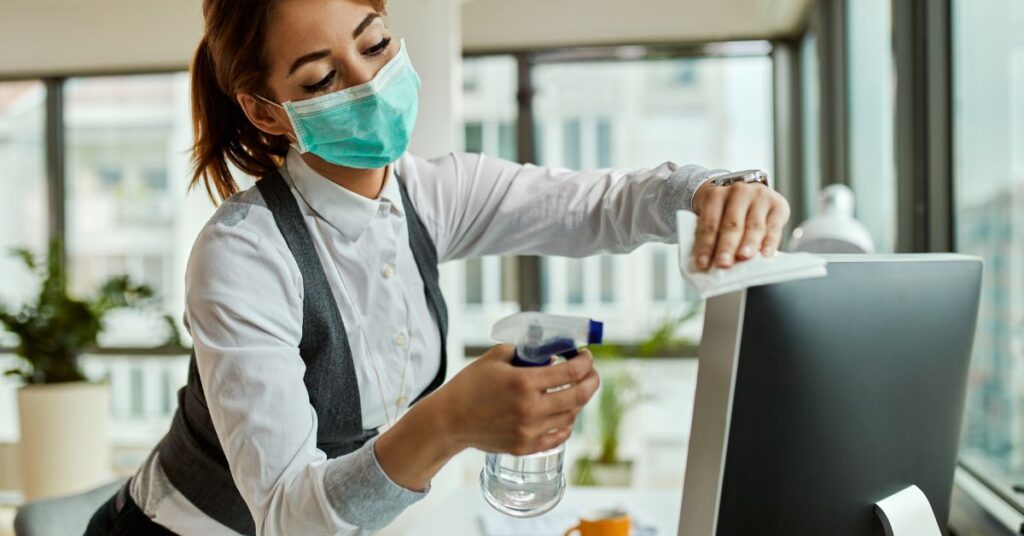
Consistency creates results. Therefore, develop a structured cleaning schedule.
Create a Task Chart
Divide responsibilities into:
- Daily tasks
- Weekly tasks
- Monthly tasks
Assign staff members to each category and require signatures upon completion.
Use Checklists During Service
During peak hours, quick wipe-downs maintain a cleaner commercial kitchen without slowing operations.
For example:
- Wipe prep counters every 30 minutes
- Remove spills immediately
- Replace contaminated utensils
This proactive system prevents accumulation.
Staff Training for a Cleaner Commercial Kitchen
Even the best plan fails without proper training.
Establish Clear Protocols
Provide written instructions for:
- Sanitizer dilution
- Equipment cleaning steps
- Waste disposal
- Personal hygiene standards
Clear guidelines reduce confusion and ensure uniform results.
Encourage Accountability
Hold weekly briefings to review cleanliness standards. Additionally, reward teams that consistently maintain a cleaner commercial kitchen.
Positive reinforcement strengthens compliance.
Preventing Common Cleaning Mistakes
Even experienced kitchens make errors. However, awareness prevents setbacks.
Overlooking Small Areas
Handles, knobs, switches, and drawer pulls accumulate bacteria quickly. Therefore, include them in daily cleaning routines.
Using Dirty Cleaning Tools
A contaminated mop spreads bacteria instead of removing it. Always rinse and sanitize tools after use.
Skipping Documentation
Health inspectors expect records. Maintain logs of all cleaning activities to demonstrate commitment to a cleaner commercial kitchen.
Pest Prevention Strategies
A cleaner commercial kitchen reduces pest risks dramatically.
- Seal cracks and gaps
- Store dry goods in airtight containers
- Remove standing water
- Schedule regular inspections
Because pests thrive in neglected environments, consistent cleaning eliminates their food sources.
Emergency Cleaning Protocols
Unexpected spills and equipment failures demand immediate response.
Handling Grease Spills
- Block off the area
- Apply absorbent material
- Remove residue
- Sanitize thoroughly
Quick action prevents accidents and contamination.
Managing Contamination Incidents
If raw meat juices contact prep surfaces:
- Stop food preparation immediately
- Dispose of affected food
- Sanitize surfaces thoroughly
- Replace gloves and tools
Swift response maintains a cleaner commercial kitchen and protects customers.
Conclusion
Maintaining a cleaner commercial kitchen requires discipline, structure, and consistent effort. However, the benefits far outweigh the time invested. When you follow daily, weekly, and monthly cleaning routines, you create a safer environment for staff and customers alike. Moreover, you protect your equipment, reduce liability risks, and ensure compliance with strict health regulations.
A cleaner commercial kitchen also strengthens your professional reputation. Health inspectors recognize organized systems. Customers trust establishments that prioritize hygiene. Employees perform better in clean, organized spaces.
Therefore, implement structured schedules, train your staff thoroughly, and use proper cleaning tools. Do not wait for inspections or emergencies to take action. Instead, commit to proactive maintenance every day. With the right approach, your kitchen will operate efficiently, safely, and confidently—setting the standard for excellence in food service hygiene.
You should perform deep cleaning weekly, while monthly tasks address hidden areas. Daily cleaning remains essential.
Food preparation surfaces and cooking equipment require daily sanitization to prevent contamination.
No. Always use commercial-grade, food-safe cleaning products designed for professional kitchens.
Clean cooking surfaces daily and degrease thoroughly each week. Consistency prevents hardened residue.
Cleaning logs demonstrate compliance during inspections and prove your commitment to maintaining a cleaner commercial kitchen.

Muhammad Ahad — SEO Specialist helping websites grow with smart, clean, and result-driven strategies. I improve rankings, boost organic traffic, and turn content into authority. I believe real SEO is built on data, trust, and consistency.
1 thought on “Cleaner Commercial Kitchen: Expert Cleaning Guide”