

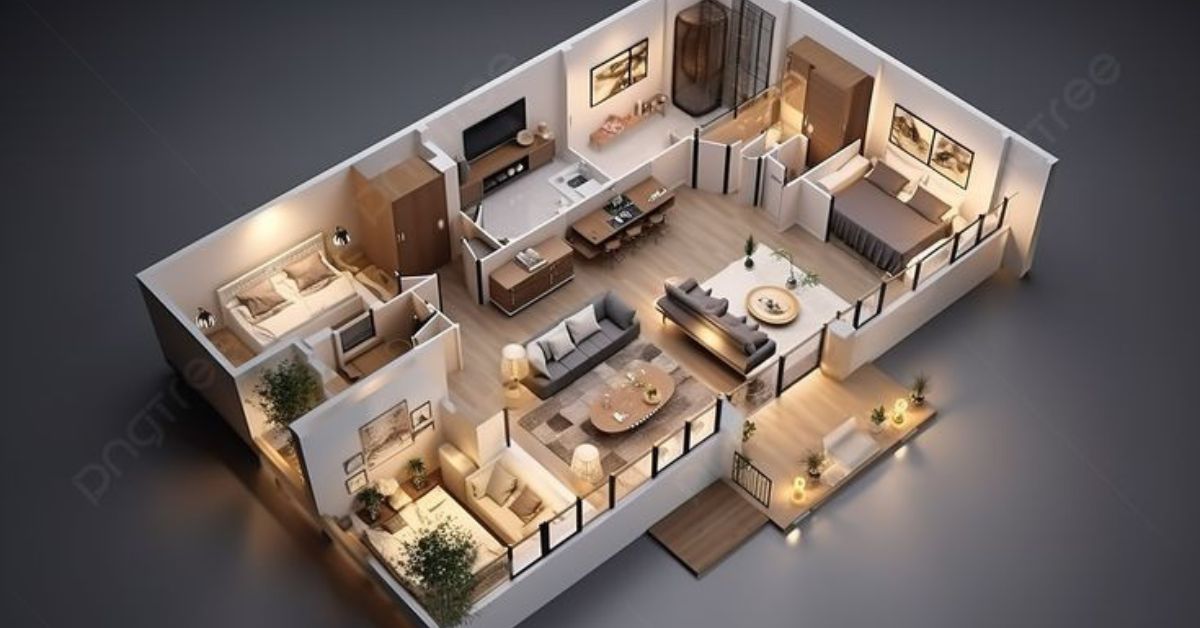
Introduction
Designing a square floor plan kitchen living room bedroom layout requires strategy, balance, and careful zoning. While square layouts offer symmetry and flexibility, they can quickly feel cramped or disconnected if poorly arranged. However, when you plan intentionally, a square floor plan creates a harmonious flow between the kitchen, living room, and bedroom areas.
Because square spaces distribute dimensions evenly, furniture placement, traffic flow, and lighting must work together. Otherwise, you risk dead zones or awkward layouts. Fortunately, with expert design principles, you can transform a square footprint into a functional and stylish home.
In this guide, you’ll learn practical layout techniques, zoning strategies, and smart storage solutions. Whether you’re working with a studio apartment or a compact home, this article will help you maximize comfort and functionality without compromising style.
Table of Contents
- Understanding a Square Floor Plan Layout
- Benefits of a Square Floor Plan Kitchen Living Room Bedroom
- Zoning Techniques for Functional Spaces
- Furniture Placement Strategies
- Lighting and Visual Flow Optimization
- Storage Solutions for Square Layouts
- Common Mistakes to Avoid
- Expert Layout Examples
- FAQs
- Conclusion
Understanding a Square Floor Plan Layout
A square layout means the length and width of the space are nearly equal. This symmetry creates both opportunity and challenge.
Unlike rectangular layouts, square spaces do not naturally guide the eye in one direction. Therefore, you must intentionally create movement and separation between the kitchen, living room, and bedroom zones.
Key characteristics include:
- Balanced dimensions
- Centralized focal points
- Flexible furniture placement
- Potential for open-concept flow
Because of this symmetry, proper zoning becomes critical.
Benefits of a Square Floor Plan Kitchen Living Room Bedroom
A square floor plan kitchen living room bedroom configuration offers several advantages.
1. Efficient Use of Space
Square layouts minimize narrow hallways and wasted corners. As a result, more square footage becomes usable.
2. Easier Furniture Symmetry
Balanced walls allow for:
- Centered sofas
- Even cabinetry alignment
- Proportional bedroom layouts
This symmetry improves visual harmony.
3. Better Light Distribution
Natural light spreads more evenly in square spaces. Therefore, you avoid dark, elongated corners common in rectangular rooms.
4. Flexible Zoning Options
You can divide the square into:
- Four equal quadrants
- Open L-shaped zones
- Central core layouts
However, without a clear plan, flexibility turns into clutter.
How to Zone a Square Floor Plan Kitchen Living Room Bedroom

Zoning determines whether the layout feels organized or chaotic.
1. Use the Four-Quadrant Strategy
Divide the square into four visual sections:
- Kitchen zone
- Living zone
- Sleeping zone
- Circulation or storage zone
This method works especially well in 400–900 sq. ft. layouts.
2. Create Visual Dividers (Without Walls)
Instead of adding walls, use:
- Area rugs
- Open shelving
- Sofa backs
- Kitchen islands
- Sliding partitions
These elements define areas while maintaining openness.
3. Position the Kitchen Along One Wall
In most square floor plan kitchen living room bedroom layouts, placing the kitchen on one side improves efficiency. It:
- Simplifies plumbing
- Maintains clear traffic flow
- Leaves central space open
A single-wall or L-shaped kitchen works best.
4. Anchor the Living Room in the Center
The living room often acts as the core connector. Therefore:
- Place a sofa facing a focal wall
- Keep pathways at least 30 inches wide
- Avoid blocking sightlines
Clear pathways improve both comfort and safety
Furniture Placement in a Square Floor Plan Kitchen Living Room Bedroom
Furniture layout determines functionality.
Kitchen Placement Tips
- Use upper cabinets to maximize vertical storage
- Keep appliances in a tight work triangle
- Avoid oversized islands
Compact efficiency matters more than excess counter space.
Living Room Layout Tips
- Float the sofa instead of pushing it against the wall
- Use round coffee tables to soften square geometry
- Install wall-mounted TV units to save floor space
Floating furniture helps break boxy visuals.
Bedroom Area Strategy
When the bedroom shares space:
- Position the bed against the quietest wall
- Use a headboard divider if needed
- Choose low-profile frames
Additionally, consider Murphy beds in smaller layouts.
Lighting Strategies for Square Layouts
Lighting influences perception dramatically.
Layer Your Lighting
Use three layers:
- Ambient (ceiling lights)
- Task (kitchen counters, reading lamps)
- Accent (wall sconces or LED strips)
Layering adds depth and avoids flatness.
Use Symmetry to Your Advantage

Because the layout is square, place:
- Matching pendant lights over the kitchen
- Balanced lamps in the living area
- Soft bedside lighting
Symmetry enhances visual balance.
Storage Solutions for a Square Floor Plan Kitchen Living Room Bedroom
Storage determines whether the space feels spacious or crowded.
Vertical Storage Is Essential
Install:
- Tall cabinets
- Floating shelves
- Wall hooks
Vertical design preserves floor space.
Use Multi-Functional Furniture
Choose:
- Storage ottomans
- Beds with drawers
- Expandable dining tables
Every piece should serve more than one purpose.
Hide Clutter Strategically
Clutter disrupts square layouts faster than rectangular ones. Therefore:
- Keep countertops minimal
- Store seasonal items out of sight
- Use matching storage bins
Consistency maintains calmness.
Common Mistakes to Avoid
Even experienced homeowners make these errors.
1. Placing Everything Against the Walls
This creates an empty center and wasted space. Instead, float key pieces.
2. Oversizing Furniture
Large sectional sofas overwhelm square layouts. Measure carefully before buying.
3. Ignoring Traffic Flow
Always maintain clear paths between the kitchen, living room, and bedroom zones.
4. Using Too Many Dividers
Over-partitioning makes the layout feel cramped.
Realistic Layout Example
Imagine a 600 sq. ft. square apartment.
- Kitchen: Single-wall layout (10 ft wide)
- Living Room: 3-seat sofa + round coffee table
- Bedroom: Queen bed with sliding divider
- Storage: Full-height cabinet near entry
With this setup, the central living area remains open while each zone functions independently.
Design professionals often recommend maintaining at least 60% open visual space in compact square homes. This keeps the layout breathable.
Styling Tips for a Cohesive Square Layout
A square floor plan thrives on visual unity.
- Use one cohesive color palette
- Repeat materials (wood tones, metal finishes)
- Keep flooring consistent across zones
Consistency prevents visual fragmentation.
Additionally, mirrors can expand perception. Place them opposite windows for maximum effect.
Expert Checklist Before Finalizing Layout
Before committing, review this checklist:
- Are traffic paths unobstructed?
- Does each zone have a clear purpose?
- Is natural light evenly distributed?
- Are storage areas sufficient?
- Does furniture scale match room size?
If you answer yes to all, your layout likely works well.
Internal Linking Opportunities
To further improve your bedroom and living room planning:
- Read our guide on small bedroom layout optimization
- Explore our article on living room furniture arrangement tips
These resources complement square layout planning perfectly.
4. What furniture works best in square layouts?
Choose compact, low-profile pieces. Round tables and floating sofas balance square geometry.
5. How do I make a square layout feel larger?
Use vertical storage, layered lighting, mirrors, and minimal clutter. Keep sightlines open.
Conclusion
A well-designed square floor plan kitchen living room bedroom layout offers balance, flexibility, and visual harmony. However, success depends on strategic zoning, smart furniture placement, and thoughtful storage solutions.
Because square layouts lack directional flow, you must create intentional pathways and defined zones. Fortunately, when you apply the techniques outlined above—floating furniture, vertical storage, layered lighting, and cohesive styling—you transform a simple square into a dynamic, comfortable living environment.
Ultimately, the goal is clarity. Each space should serve a purpose while contributing to the whole. When kitchen, living, and bedroom zones work together seamlessly, even compact square homes feel spacious and refined.
Ready to redesign your space? Start by mapping your square layout today and implement one improvement at a time. Small changes often deliver the biggest impact.
Yes. Square layouts reduce wasted hallway space and improve flexibility. However, zoning must be intentional.
A single-wall or L-shaped kitchen works best. It preserves central space and improves flow.
Use sliding panels, shelving units, or curtains. These create privacy without permanent walls.
Choose compact, low-profile pieces. Round tables and floating sofas balance square geometry.
Use vertical storage, layered lighting, mirrors, and minimal clutter. Keep sightlines open.

Muhammad Ahad — SEO Specialist helping websites grow with smart, clean, and result-driven strategies. I improve rankings, boost organic traffic, and turn content into authority. I believe real SEO is built on data, trust, and consistency.