

Introduction
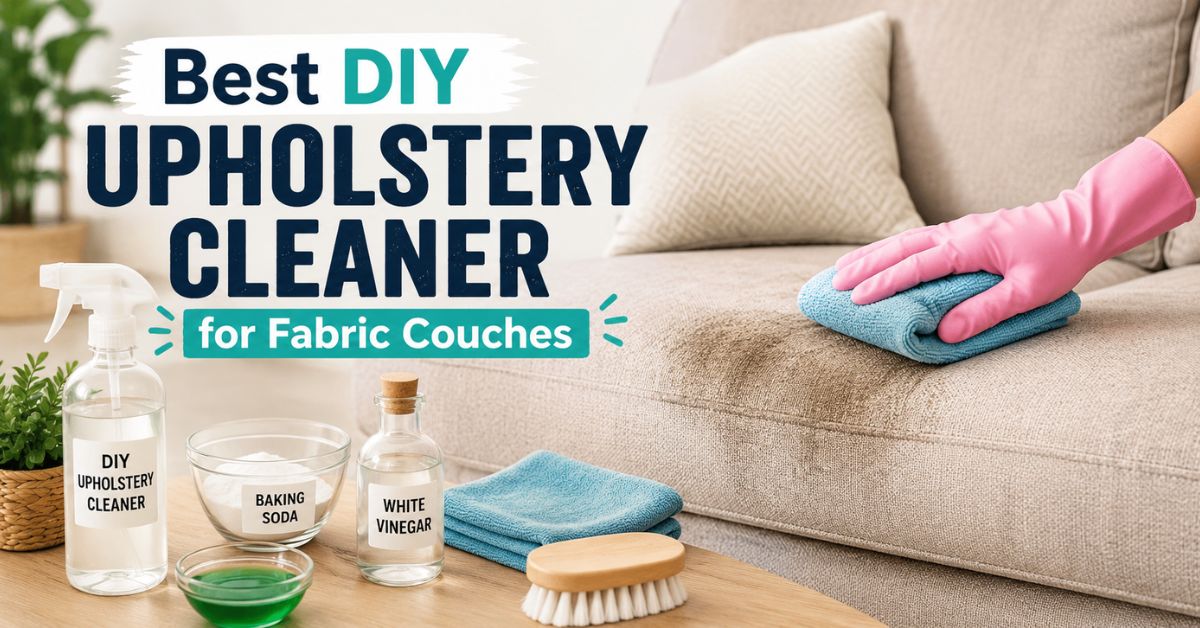
I used to think upholstery cleaning was one of those jobs you either ignore or pay someone expensive to handle. But after owning a light-colored sofa (worst decision for a tea lover), I learned fast that spills, dust, sweat, and mystery stains don’t wait for “professional cleaning day.” That’s when I started testing my own diy upholstery cleaner recipes at home.
Some worked amazingly. Some made stains worse. And one time, I used too much soap and ended up with crunchy fabric that felt like cardboard.
So in this guide, I’m sharing the diy upholstery cleaner method I personally use now simple, cheap, safe for most fabrics, and honestly way more effective than many store sprays.
If your couch looks dull, smells weird, or has stains you’re tired of hiding with cushions, this will help.
How Upholstery Gets Dirty Faster Than You Think
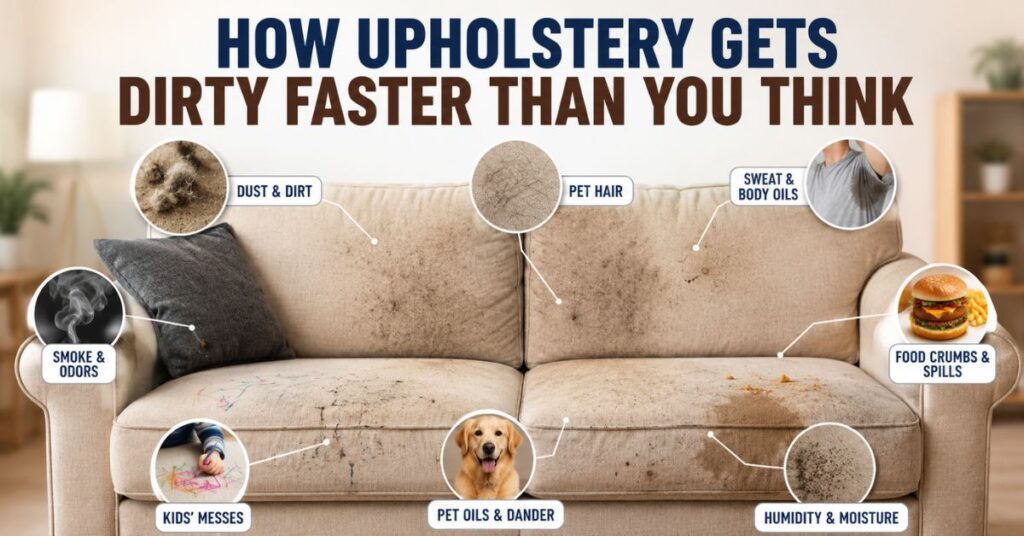
Upholstery is basically a magnet for everything.
In spite of the fact that your sofa “looks fine,” it quietly collects:
- Dust and skin flakes
- Pet hair and pet oils
- Food crumbs
- Body sweat
- Cooking smells
- Smoke and humidity odors
- Stains that sink deep into the padding
And the worst part? Most stains don’t stay on the surface. They soak in, dry, and slowly turn into a permanent-looking mark.
That’s why I love having a reliable diy upholstery cleaner ready at home. It helps you treat messes quickly before they become a long-term problem.
Before You Clean: Check the Upholstery Code (Very Important)
This is something I didn’t know early on, and it can save you from ruining fabric.
Look for a tag under the cushions or on the bottom of your furniture. You’ll see a code like:
W Code (Water-Based Cleaning Allowed)
This is the easiest one. You can use mild water-based solutions safely.
S Code (Solvent Only)
No water. You need rubbing alcohol or dry-clean solvent methods.
WS Code (Water or Solvent Safe)
You can use either method, but gentle is best.
X Code (Vacuum Only)
This one is tricky. Only vacuuming is recommended, and cleaning should be professional.
If your sofa is “W” or “WS,” you’re good to use most homemade cleaners. If it’s “S,” don’t panic I’ll share a safe recipe for that too.
My Favorite DIY Upholstery Cleaner Recipe (Safe and Effective)
After testing multiple mixes, this is the one I use most often. It works well on everyday grime, sweat marks, food stains, and general dullness.
Ingredients (Simple Household Items)
- 2 cups warm water
- 1 teaspoon dish soap (gentle, grease-cutting)
- 1 tablespoon white vinegar
- 1 tablespoon baking soda (optional for odor control)
This blend is powerful because dish soap breaks down oils, vinegar cuts odor and residue, and baking soda helps lift smells.
This is my go-to diy upholstery cleaner for sofas, dining chairs, fabric headboards, and even car seats.
Step-by-Step: How I Clean Upholstery Without Over-Wetting
Over-wetting fabric is the fastest way to create a mildew smell. So I always clean using foam and minimal moisture.
Step 1: Vacuum Like You Mean It
Use a vacuum with an upholstery attachment.
Focus on:
- Cushion seams
- Armrests
- Creases and corners
- Under cushions
If you skip vacuuming, you’ll smear dust into the fabric and make it worse.
Step 2: Mix and Shake for Foam
Put the cleaner into a spray bottle and shake well.
If baking soda is included, it may fizz slightly. That’s normal.
Step 3: Spot Test First
Spray a small hidden area and wait 10 minutes.
If the color changes or fabric stiffens, stop and switch to a different method.
Step 4: Spray Lightly (Do NOT Soak)
Light mist only.
You want damp, not wet.
Step 5: Scrub Gently with a Microfiber Cloth
Use circular motions.
For textured fabric, use a soft brush.
Step 6: Blot with a Dry Towel
Press firmly to pull out moisture and loosened dirt.
This step makes a huge difference.
Step 7: Air Dry Completely
Open windows, turn on fans, and avoid sitting on it until fully dry.
I usually let it dry for 2–4 hours depending on humidity.
Deep Cleaning Method (When the Sofa Looks Grey and Tired)
Sometimes the couch isn’t stained it’s just dull.
That’s when I use a deeper version of the diy upholstery cleaner method.
What You’ll Need
- The same cleaner mix
- A soft brush
- Two microfiber towels (one damp, one dry)
How I Do It
- Work in sections (one cushion at a time)
- Spray lightly
- Brush gently to lift dirt
- Wipe with a clean damp cloth
- Immediately blot dry
This method brings back the original fabric color shockingly well.
The first time I tried it on my beige couch, the cloth turned brown and I realized my sofa was not “beige”… it was dirty.
DIY Upholstery Cleaner for “S Code” Fabrics (No Water Allowed)
If your tag says “S,” avoid water. Use rubbing alcohol instead.
My Alcohol-Based Cleaner
- 1 cup rubbing alcohol (70% is fine)
- 5–8 drops mild dish soap (optional)
- Spray bottle
How I Use It
- Spray lightly
- Scrub gently with a cloth or soft brush
- Blot dry
- Let it air out
Alcohol evaporates fast, so it reduces moisture risk. It’s a smart diy upholstery cleaner option for delicate furniture.
Best DIY Upholstery Cleaner for Pet Smells
If you have pets, you know the smell doesn’t always come from visible stains. It comes from oils, saliva, and moisture trapped inside fabric.
My Odor-Fighting Mix
- 2 cups warm water
- 2 tablespoons vinegar
- 1 teaspoon dish soap
- 1 tablespoon baking soda
After cleaning, I sprinkle dry baking soda over the area once it’s almost dry, leave it for 30 minutes, then vacuum.
There’s nothing better than a freshly laundered couch.
Upholstery Stain Removal Tricks I Use All the Time
Different stains need different tactics. Here’s what works in real life.
Grease Stains (Pizza, Butter, Oil)
- Sprinkle cornstarch or baking soda
- Wait 20 minutes
- Vacuum
- Then use diy upholstery cleaner spray
This prevents the grease from spreading.
Coffee or Tea Stains
- Blot immediately (never rub)
- Spray cleaner
- Blot again
- Repeat until faded
Ink Marks
- Dab rubbing alcohol with cotton
- Blot, don’t scrub
Vomit Stains
- Remove solids
- Clean with vinegar-based mix
- Finish with baking soda treatment
Mystery Yellow Stains (Old Sweat)
These are common on armrests.
Use:
- vinegar + dish soap mix
- gentle brush scrubbing
- blot dry
- repeat twice
It’s slow but effective.
Comparison Table: DIY Upholstery Cleaner Options
| Cleaning Need | Best DIY Cleaner Mix | Best For | Notes |
| Everyday cleaning | Soap + vinegar + water | Most sofas and chairs | Safe and gentle |
| Heavy grime | Soap + vinegar + warm water + brush | Armrests, headboards | Work in sections |
| Pet odor | Vinegar + baking soda mix | Smelly couches, pet beds | Vacuum baking soda after |
| Grease stains | Cornstarch + soap mix | Food oil stains | Absorb first, clean second |
| S-code fabric | Rubbing alcohol spray | Delicate upholstery | No water needed |
| Quick freshening | Water + vinegar mist | Light odor | Avoid over-spraying |
Mistakes That Ruin Upholstery (I Learned the Hard Way)
Some upholstery mistakes don’t show immediately, but they cause long-term damage.
Using Too Much Soap
Soap leaves residue that attracts more dirt. Less is always better.
Over-Wetting the Cushion
Too much water sinks into the foam and creates:
- mildew smell
- slow drying
- water rings
Scrubbing Too Aggressively
Hard scrubbing can:
- damage fabric texture
- cause pilling
- spread stains deeper
Using Bleach or Harsh Cleaners
Bleach can weaken fibers and cause permanent fading.
If you want a safe and repeatable routine, stick to a mild diy upholstery cleaner instead of experimenting with harsh chemicals.
How Often Should You Clean Upholstery?
Here’s what works best for most homes:
- Vacuum weekly (especially if you have pets)
- Spot clean immediately when spills happen
- Light cleaning monthly
- Deep cleaning every 3–6 months
If your home has kids, pets, or lots of guests, you may need deep cleaning more often.
Extra Tip: How I Keep the Couch Clean Longer
After cleaning, I do a simple protection step.
My Simple Protection Routine
- Let the sofa dry fully
- Vacuum again
- Lightly mist fabric with water + vinegar (optional)
- Let it air dry
This helps reduce odors and keeps the fabric from feeling sticky.
Also, washable throw blankets are a lifesaver. I keep one on the seating area and wash it weekly.
Conclusion
A clean couch makes the whole room feel fresher, even if nothing else changes. After years of trial and error, I’ve learned that the secret isn’t expensive products it’s using the right method and not soaking the fabric.
This diy upholstery cleaner routine is simple, budget-friendly, and effective for everyday dirt, odors, and most common stains. Vacuum first, clean gently, blot well, and let it dry properly.
If you try this method, keep a spray bottle ready in your cleaning cabinet. You’ll be surprised how often it saves your furniture from permanent stains.
Want more practical cleaning routines like this? Visit CleanHomeCraft.com for more easy home-cleaning guides and real-life household tips.
The best homemade option is warm water, mild dish soap, and white vinegar. It removes oils, stains, and odors without damaging most fabrics.
Yes. Baking soda is excellent for odors. Sprinkle it dry, leave it for 30–60 minutes, then vacuum thoroughly.
Vinegar is safe for most upholstery, especially W and WS coded fabrics. Always spot test first to avoid discoloration.
Vacuum first, spray a light cleaning solution, gently scrub with a cloth or brush, and blot dry. This is the easiest no-machine method.
Yes. Most fabric car seats respond well to the same diy upholstery cleaner mix, but avoid soaking since car seats dry slowly.
Usually because it stayed wet too long or the foam absorbed too much moisture. Use less spray, blot more, and dry with fans.

Muhammad Ahad — Passionate writer sharing informative, engaging, and easy-to-read articles across different topics. Focused on delivering valuable content that helps readers learn, explore, and stay inspired every day.
2 thoughts on “Best DIY Upholstery Cleaner for Fabric Couches”