

Introduction
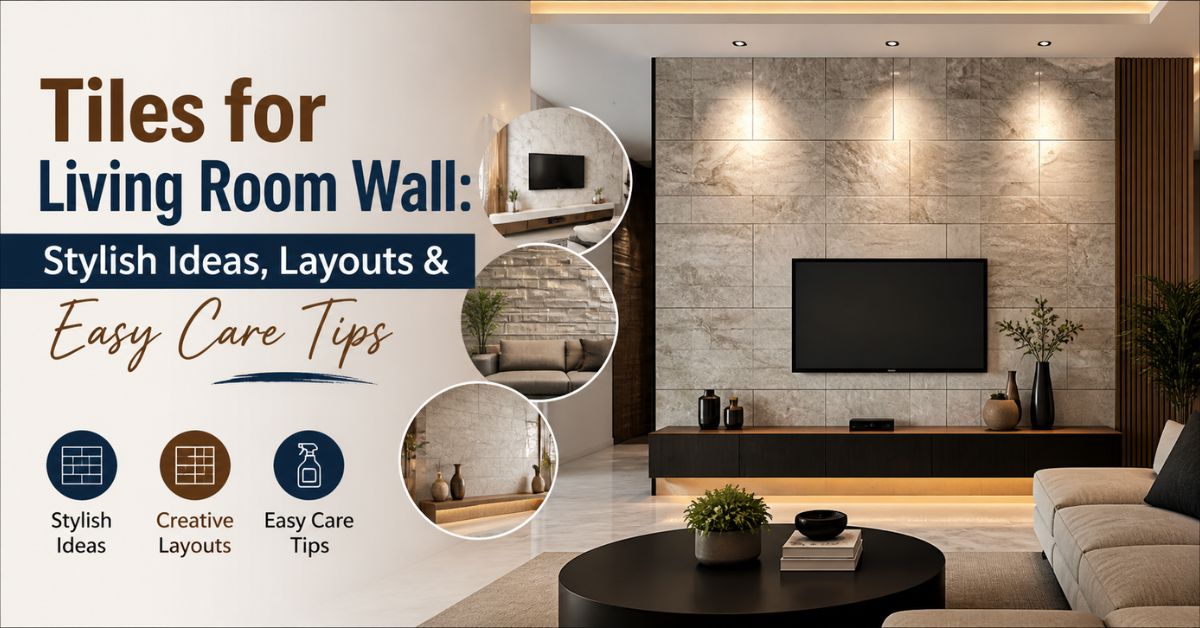
When I first started upgrading my home, I thought paint was the easiest way to make a living room look fresh. But after trying multiple colors and still feeling like the wall looked “flat,” I finally tried tiles for living room wall design and honestly, it completely changed the space.
A tiled living room wall doesn’t just look premium, it also stays cleaner, resists stains, and gives your room a modern personality. The best part is that you don’t need a huge budget to make it look expensive. With the right material, texture, and layout, tiles for living room wall can instantly upgrade your home’s interior without doing a full renovation.
In this guide, I’ll share the real things I learned from picking, installing, and maintaining wall tiles plus the mistakes I made so you don’t repeat them.
Why Tiles for Living Room Wall Are a Smart Upgrade
People usually think tiles are only for bathrooms and kitchens. That’s exactly what I thought too. But once you use them in the living room, you realize why interior designers love them.
Here’s what makes them worth it:
- They add instant luxury and structure
- They protect walls from scratches and stains
- They don’t fade easily like paint
- They are easy to wipe and maintain
- They work well as accent walls behind TV units or sofas
If your living room gets dusty quickly, tiles are a blessing. I personally noticed my tiled wall stays cleaner compared to my painted wall.
Best Places to Use Tiles in the Living Room
Not every wall needs tiles. In fact, too many tiles can make the room look cold.
The best placement ideas I’ve seen (and tried) are:
Behind the TV Wall (Most Popular Option)
This is the safest and most stylish option. A textured or marble-look tile wall behind the TV gives a cinema-style vibe.
Behind the Sofa Wall
This makes the seating area feel more “designed.” A stone-look wall behind the couch gives a cozy luxury effect.
Corner Accent Wall
If your living room is small, a full tiled wall might feel heavy. A corner section can still look modern without overwhelming the space.
Fireplace Surround (If You Have One)
Tiles handle heat better than paint and give fireplaces a high-end look.
Types of Tiles for Living Room Wall (With Real Pros & Cons)
Choosing the right tile material matters more than color. I learned this the hard way after almost buying glossy tiles that showed every fingerprint.
Ceramic Wall Tiles
Ceramic is affordable and available everywhere.
Pros:
- Budget-friendly
- Easy to clean
- Many colors and designs
Cons:
- Can look basic if design is too common
- May crack if wall is not properly prepared
Porcelain Tiles
Porcelain is stronger than ceramic and gives a premium finish.
Pros:
- Highly durable
- Less water absorption
- Luxury look
Cons:
- More expensive
- Harder to cut and install
Marble Look Tiles (Glossy or Matte)
These are my personal favorite because they give hotel vibes.
Pros:
- Elegant and bright look
- Perfect for modern interiors
Cons:
- Glossy ones show smudges easily
- Needs proper lighting to shine
Stone Veneer Tiles
Stone-style tiles are perfect if you want a bold statement wall.
Pros:
- Natural texture
- Adds depth and warmth
- Looks premium even in small areas
Cons:
- Can collect dust in grooves
- Needs more cleaning effort
3D Wall Tiles
These tiles create a raised pattern and look super modern.
Pros:
- Very unique and eye-catching
- Great for accent walls
Cons:
- Harder to clean due to texture
- May look too busy if used on large walls
Best Tile Finishes for Living Room Walls
Most people choose tiles based on color, but finish matters just as much.
Glossy Finish
Glossy tiles reflect light, making the room look bigger. But they show fingerprints fast.
Best for:
- TV walls
- modern interiors
- small living rooms
Matte Finish
Matte tiles look soft, natural, and hide dust well.
Best for:
- large living rooms
- rustic or minimal designs
- homes with kids
Textured Finish
Textured tiles look expensive but require extra cleaning.
Best for:
- accent walls
- stone or wood-look designs
Tiles for Living Room Wall Design Ideas That Actually Look Expensive
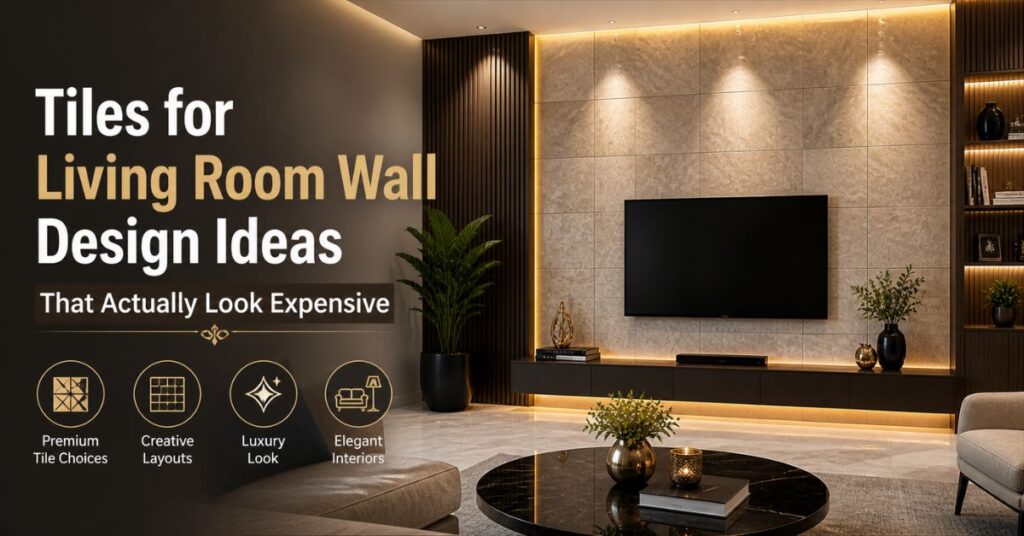
If you want your wall to look premium, layout and pattern matter a lot.
Vertical Tile Layout (Height Boost Trick)
This makes ceilings look taller. I used vertical tiles in my cousin’s apartment and it instantly made the room look bigger.
Horizontal Tile Layout (Wider Room Effect)
This works best for narrow living rooms. It visually stretches the wall.
Brick Pattern Layout
This gives a cozy, modern-home look. Works beautifully with stone-look tiles.
Large Format Tiles (Modern Minimal Look)
If you want a clean luxury style, go for large tiles with minimal grout lines.
Wood Look Tile Wall
This is a smart idea if you want warmth without using real wood.
Wood-look tiles look natural but don’t attract termites and don’t warp.
How to Choose the Right Color Tiles for Your Living Room
Tile color can either make your living room look open or make it look dark and crowded.
Here’s the simple rule I follow:
- Light tiles = bright, open, modern
- Dark tiles = bold, rich, dramatic
- Beige/cream = warm and timeless
- Grey = modern and minimal
- White marble = luxury and clean look
If your living room doesn’t get enough sunlight, avoid very dark tiles unless you have strong lighting.
Tiles for Living Room Wall vs Paint: Which One Wins?
Paint is cheaper, but tiles are more durable and stylish long-term.
I personally feel tiles are better if:
- your wall gets dirty easily
- you want a long-lasting design
- you want a premium interior feel
Paint is better if:
- you like changing designs often
- you are on a tight budget
Tile Size Guide for Living Room Walls
Choosing the wrong tile size can ruin the look. I’ve seen small tiles make big walls look messy.
Here’s what works best:
- Small rooms: medium tiles (12×24 inches)
- Large rooms: large tiles (24×48 inches or bigger)
- Feature wall: mix sizes for a designer effect
Common Mistakes People Make When Installing Wall Tiles
I’ve made two of these mistakes myself, so learn from this list.
- Choosing glossy tiles without realizing they show fingerprints
- Using too many tile patterns on one wall
- Picking a tile color that clashes with furniture
- Not matching grout color properly
- Installing without proper leveling
- Using cheap adhesive that causes tiles to loosen
A tiled wall is a long-term feature. Always think of how it will look with your sofa, curtains, and lighting.
Best Grout Colors for Living Room Wall Tiles
Grout lines can make your wall look clean or messy.
My best advice:
- White tiles + light grey grout = modern clean look
- Dark tiles + matching grout = seamless luxury look
- Patterned tiles + neutral grout = balanced finish
Avoid bright white grout on textured tiles because it stains easily.
Comparison Table: Best Tile Types for Living Room Walls
| Tile Type | Best For | Look Style | Cleaning Level | Price Range |
| Ceramic | Budget walls | Simple modern | Easy | Low |
| Porcelain | Premium walls | Luxury modern | Easy | Medium-High |
| Marble-look | TV wall | Elegant & bright | Medium | Medium |
| Stone veneer | Accent wall | Rustic luxury | Hard | Medium-High |
| 3D tiles | Feature wall | Ultra modern | Hard | Medium |
Easy Cleaning Tips for Living Room Wall Tiles (My Real Routine)
The reason I love tiled walls is because cleaning becomes simple.
Here’s the routine I use at home:
Weekly Dust Cleaning (5 Minutes)
- Use a microfiber duster
- Start from top to bottom
- Vacuum corners if textured tiles
Monthly Deep Cleaning
Mix this simple cleaner:
- 2 cups warm water
- 1 teaspoon dish soap
- 1 tablespoon vinegar (only for non-stone tiles)
Wipe gently using a soft cloth.
For Stains and Fingerprints
- Use glass cleaner on glossy tiles
- Use baking soda paste on stubborn spots
- Avoid harsh scrubbers on marble-look tiles
What NOT to Use on Wall Tiles
Never use:
- bleach on colored grout
- steel wool
- strong acid cleaners on stone tiles
These products may ruin the finish permanently.
How to Make Tiles Look More Premium (Cheap Trick)
If you want your tiles for living room wall to look expensive, focus on these details:
- Use larger tiles (less grout = more luxury)
- Choose a matte or satin finish for modern homes
- Add LED strip lights around the TV wall
- Match grout color to tile color
- Use minimal patterns (one wall only)
Lighting is the secret weapon. Even simple tiles look designer-level with warm LED lighting.
Conclusion
A living room is the heart of the home, and wall design makes a bigger difference than most people expect. From my experience, tiles for living room wall are one of the best upgrades because they combine beauty, durability, and easy maintenance in one solution.
Whether you choose marble-look tiles for a luxury vibe, stone tiles for a bold statement, or wood-look tiles for warmth, the key is to keep it balanced and choose one main accent wall.
If you’re planning a makeover, start with one feature wall, pick the right lighting, and you’ll be surprised how premium your living room looks. Try tiles for living room wall once and you probably won’t go back to paint again.
Porcelain, marble-look tiles, and 3D textured tiles are the best choices. They look premium and create a strong focal point.
Yes, tiles are more durable and easier to clean. Wallpaper looks good but can peel over time, especially in dusty or humid homes.
They look great, especially in small rooms because they reflect light. But they require frequent wiping because fingerprints show easily.
Light colors like white, cream, beige, and light grey make the room look larger and brighter.
Yes, slightly. Dust collects in grooves, so you may need a vacuum brush or soft scrubber for deep cleaning.

Muhammad Ahad — Passionate writer sharing informative, engaging, and easy-to-read articles across different topics. Focused on delivering valuable content that helps readers learn, explore, and stay inspired every day.
1 thought on “Tiles for Living Room Wall: Stylish Ideas, Layouts & Easy Care Tips”