

Introduction
If you’ve ever finished vacuuming and then noticed a layer of dust sitting on your baseboards, you’re not alone. Learning how to clean baseboards was one of those household tasks I ignored until I realized how much cleaner a room looked once they were spotless. It’s one of those small details that quietly transforms a space.
At Clean Home Craft, we often test practical cleaning routines that save time without sacrificing results. The good news is that cleaning baseboards doesn’t require expensive products or complicated techniques. A few basic supplies and the right approach can make this chore quick and manageable.
Whether you’re tackling years of buildup or maintaining freshly cleaned trim, these methods will help you achieve noticeably cleaner baseboards with minimal effort.
Why Baseboards Get Dirty So Quickly
Baseboards sit at the perfect height to collect:
- Dust from daily foot traffic
- Pet hair and dander
- Kitchen grease particles
- Scuff marks from shoes
- Sticky fingerprints
- Dirt brought in from outside
Because they aren’t always at eye level, it’s easy to overlook them during regular cleaning sessions.
How to Clean Baseboards Step by Step
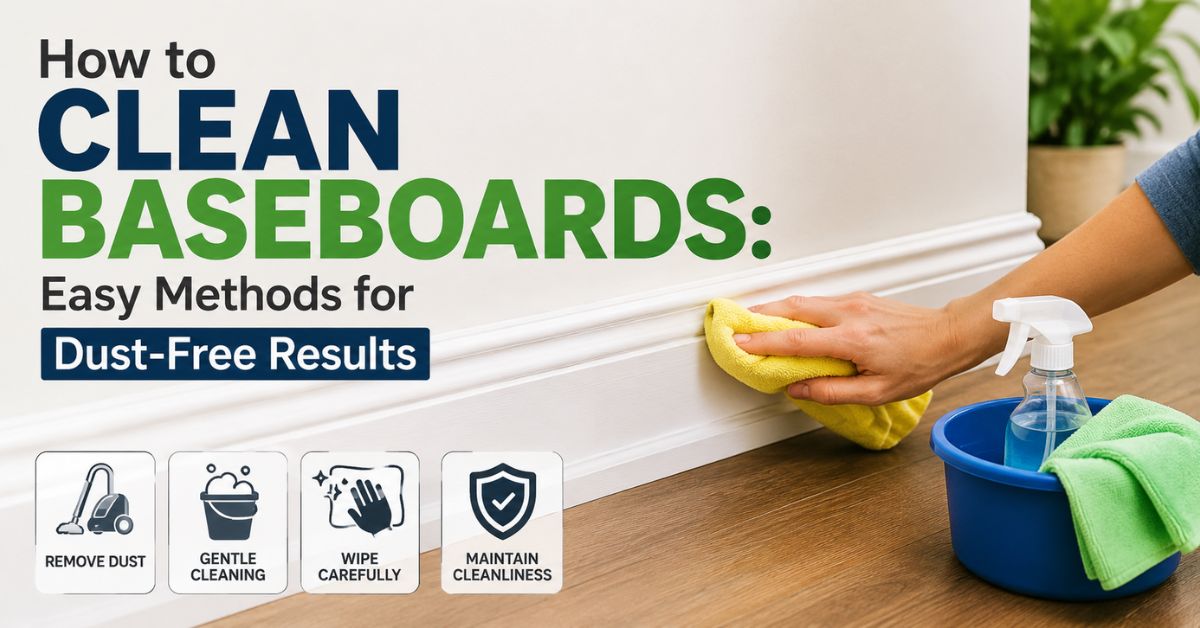
Understanding how to clean baseboards properly starts with a simple routine.
Gather Your Cleaning Supplies
You’ll need:
- Microfiber cloths
- Vacuum with brush attachment
- Warm water
- Mild dish soap
- Bucket
- Soft sponge
- Magic eraser for stubborn marks
- Dry towel
- Cotton swabs for corners
Having everything nearby makes the process much faster.
Remove Loose Dust First
Start by vacuuming the baseboards using the brush attachment.
Move slowly along the trim to remove:
- Dust
- Cobwebs
- Hair
- Crumbs
Skipping this step often turns dust into muddy streaks later.
Wash the Surface
Mix a few drops of dish soap into warm water.
Dampen a microfiber cloth rather than soaking it. Excess water can damage certain materials.
Wipe from top to bottom using gentle pressure.
Pay extra attention to:
- Doorways
- Hallways
- Around furniture
- Children’s play areas
Dry Immediately
Use a clean towel to dry the baseboards after washing.
This prevents moisture damage and reduces streaking.
Best Cleaning Methods for Different Baseboard Materials
Not all baseboards should be cleaned the same way.
Painted Baseboards
Painted trim is common in many homes.
Use:
- Mild soap solution
- Soft microfiber cloth
- Minimal moisture
Avoid abrasive scrubbers that can dull the paint finish.
Wood Baseboards
Natural wood requires extra care.
Choose:
- Wood-safe cleaners
- Slightly damp cloths
- Immediate drying
Too much water can warp wood over time.
Vinyl Baseboards
Vinyl is durable and easier to maintain.
Warm water and dish soap usually remove most grime effectively.
MDF Baseboards
Medium-density fiberboard absorbs moisture quickly.
Use barely damp cloths and dry thoroughly after cleaning.
Baseboard Cleaning Method Comparison
| Method | Best For | Difficulty | Cost | Notes |
| Vacuum with brush attachment | Weekly dust removal | Easy | Low | Fast maintenance option |
| Dish soap and water | General dirt and grime | Easy | Low | Safe for most painted surfaces |
| Magic eraser | Scuff marks | Moderate | Low | Test on hidden area first |
| Wood cleaner | Natural wood trim | Easy | Moderate | Preserves wood finish |
| Vinegar solution | Light buildup | Easy | Low | Avoid excessive use on sensitive materials |
How to Wash baseboards Without Kneeling
One of my favorite shortcuts came after years of sore knees.
Attach a microfiber cloth to a flat mop.
Benefits include:
- Faster cleaning
- Less strain on joints
- Better reach behind furniture
- More consistent pressure
This method works especially well during weekly maintenance.
Removing Tough Stains and Scuff Marks
Sometimes regular wiping isn’t enough.
Use a Magic Eraser Carefully
Lightly dampen the eraser.
Rub gently over:
- Shoe scuffs
- Crayon marks
- Dark streaks
Always test first to avoid removing paint sheen.
Try Baking Soda Paste
Mix:
- Two tablespoons baking soda
- One tablespoon water
Apply to stubborn spots.
Let sit for a few minutes before wiping clean.
Clean Hidden Corners
Cotton swabs work surprisingly well in tight spaces.
Focus on:
- Decorative grooves
- Corners
- Areas near door frames
These spots often hold the most dirt.
How Often Should You Clean Baseboards?
The answer depends on your household.
Weekly
Ideal for homes with:
- Pets
- Young children
- High traffic
Dusting weekly prevents heavy buildup.
Monthly
A thorough wash once a month works well for average households.
Seasonally
Deep cleaning every three months helps maintain appearance.
Many homeowners add baseboards to seasonal cleaning checklists to avoid forgetting them.
Common Mistakes to Avoid When Learning How to Wash baseboards
Even simple tasks can go wrong.
Avoid these common mistakes:
- Using too much water
- Skipping dust removal
- Scrubbing aggressively
- Ignoring hidden corners
- Using harsh chemicals unnecessarily
- Forgetting to dry surfaces
Small adjustments can significantly improve results.
Natural Solutions for Cleaning Baseboards
Some homeowners prefer simple ingredients.
Dish Soap and Warm Water
This remains one of the safest and most effective combinations.
White Vinegar Solution
Mix:
- One part vinegar
- Three parts water
Use sparingly.
Avoid vinegar on unfinished wood.
Baking Soda
Excellent for spot treatments.
Its mild abrasiveness helps lift stubborn residue.
For more home cleaning ideas, readers of Clean Home Craft often prefer methods that rely on affordable household staples instead of specialty products.
Tips to Keep Baseboards Cleaner Longer
Once you’ve mastered how to clean baseboards, maintenance becomes much easier.
Try these habits:
- Dust during weekly vacuuming.
- Address spills immediately.
- Keep pets groomed regularly.
- Use entry mats near doors.
- Move lightweight furniture occasionally.
- Include trim in your monthly cleaning schedule.
Consistency reduces the need for intensive scrubbing later.
Conclusion
Learning how to clean baseboards doesn’t require expensive supplies or hours of effort. A simple routine of dusting, gentle washing, and regular maintenance can dramatically improve the appearance of your home. Small details often make the biggest difference, and freshly cleaned trim instantly gives rooms a polished look.
If you’re ready to tackle more practical household projects, visit CleanHomeCraft.com for additional cleaning guides, easy-to-follow tutorials, and everyday tips designed to make home care simpler and more effective.
Vacuum first, then wipe with a damp microfiber cloth and mild dish soap solution. This method works for most painted baseboards.
Yes, but use diluted vinegar sparingly. Avoid it on unfinished or delicate wood surfaces.
Dust weekly and perform a deeper wash monthly. Homes with pets may require more frequent attention.
It can be effective for scuff marks, but always test a small hidden area first to ensure it doesn’t affect the finish.
Yes. A flat mop covered with a microfiber cloth allows you to clean comfortably while standing.
A lightly dampened magic eraser often removes shoe marks successfully.
Absolutely. Drying helps prevent moisture damage and leaves a cleaner finish.

Muhammad Ahad — Passionate writer sharing informative, engaging, and easy-to-read articles across different topics. Focused on delivering valuable content that helps readers learn, explore, and stay inspired every day.
2 thoughts on “How to Clean Baseboards: Easy Methods for Dust-Free Results”