

Introduction
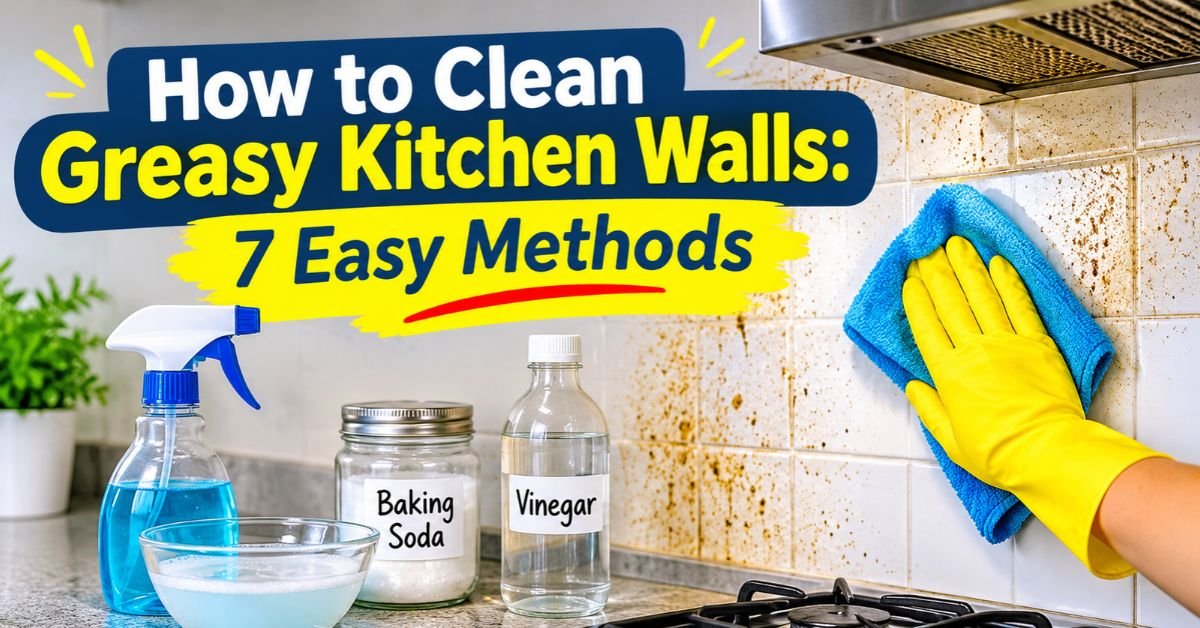
Grease stains on kitchen walls can build up faster than most homeowners expect. How to Clean Greasy Kitchen Walls Cooking oil, food splashes, steam, and smoke leave behind a sticky layer that attracts dust and makes walls look dirty. Even regular wiping may not remove this buildup completely.
I have found that the best way to deal with greasy walls is to use the right cleaning solution for the wall’s finish. Harsh chemicals are not always necessary. Simple household products, such as dish soap, warm water, and baking soda, can remove many everyday grease marks.
At Clean Home Craft, we believe that practical cleaning routines should be simple and affordable. That’s why this guide explains How to Clean Greasy Kitchen Walls using easy methods, helpful precautions, and supplies you may already have at home.
Why Do Kitchen Walls Get Greasy?
Kitchen walls collect grease because cooking releases tiny oil particles into the air. These particles settle on nearby surfaces and slowly create a sticky film.
Common Causes of Grease Buildup in the Kitchen
Grease buildup in the kitchen can happen gradually due to everyday cooking activities. Understanding its common causes can help you prevent stubborn grease stains and keep your kitchen surfaces clean.
- Frying Food: Hot oil can release tiny grease droplets that spread around the stove and settle on nearby kitchen surfaces.
- Cooking Steam: Steam produced during cooking can carry oil particles into the air, allowing them to settle on walls, cabinets, and countertops.
- Poor Ventilation: Without proper airflow or an effective exhaust fan, airborne grease particles can remain inside the kitchen and accumulate on different surfaces.
- Food Splashes: Sauces, butter, and cooking oils can splash onto nearby surfaces during food preparation, leaving greasy marks and stains.
- Infrequent Cleaning: When kitchen surfaces are not cleaned regularly, old grease combines with dust and dirt, making it more difficult to remove.
Walls behind the stove and around the cooking area usually need more attention than other kitchen surfaces.
Supplies You Need Before Cleaning Greasy Kitchen Walls
Before starting, collect your cleaning supplies. Having everything ready makes the job easier and reduces the chance of spreading grease around.
Here is what I recommend:
- Warm water
- Mild dish soap
- Two microfiber cloths
- A soft sponge
- A spray bottle
- Baking soda
- White vinegar (only for suitable wall finishes)
- A clean, dry towel
- A small bucket
Avoid rough scrubbers, steel wool, and strong chemical cleaners unless the wall manufacturer confirms they are safe.
How to Clean Greasy Kitchen Walls With Dish Soap
Dish soap is one of the easiest options for removing everyday kitchen grease. It is designed to break down oils, which makes it useful for cleaning washable wall surfaces.
Step 1: Prepare a Dish Soap Solution
Fill a bucket with warm water and add one or two teaspoons of mild dish soap. Make sure the soap is evenly distributed by mixing gently.
Avoid adding too much detergent because excess soap can leave a sticky film behind.
Step 2: Test a Small Area
Before cleaning the entire wall, test the mixture on a hidden spot. Wait until the area dries and check for color changes, peeling, or damage.
For painted walls, this step is especially important.
Step 3: Wipe Away the Grease
Dip a microfiber cloth into the soapy water and wring it out well. Rather than dripping wet, the cloth should be damp.
Start at the top of the greasy area and wipe gently in small sections. Use light pressure instead of scrubbing aggressively.
Step 4: Remove Soap Residue
Using a clean cloth, dampen it with plain water. Wipe the cleaned area to remove leftover soap.
To finish, use a soft towel to dry the wall. This helps prevent watermarks and moisture damage.
How to Clean Greasy Kitchen Walls With Baking Soda
Baking soda is useful when ordinary dish soap does not remove stubborn grease marks. With its mild abrasive texture, it can help loosen residue from durable surfaces.
On glossy or delicate surfaces, it should not be aggressively rubbed.
Make a Simple Baking Soda Paste
Baking soda is a simple household ingredient that can help loosen stubborn grease from suitable kitchen wall surfaces. Follow these easy steps to prepare and use a gentle cleaning paste.
- Place two tablespoons of baking soda in a small bowl.
- Add a small amount of water gradually.
- Mix until you form a smooth, spreadable paste.
- Apply a thin layer to the greasy spot.
- Let the paste sit for approximately five minutes.
- Gently wipe the area with a soft, damp microfiber cloth.
- Remove any remaining residue with clean water and dry the surface.
Do not allow the baking soda paste to dry completely on the wall. If grease remains, repeat the process gently instead of applying extra pressure. Always test a small, hidden area first, especially on painted or delicate surfaces.
How to Clean Greasy Kitchen Walls With White Vinegar
Some greasy residue and soap buildup can be removed with white vinegar. However, it is acidic, so it is not suitable for every wall material.
Never assume vinegar is safe for all painted, natural stone, or specialty finishes.
Prepare a Mild Vinegar Solution
In a spray bottle, combine equal parts white vinegar and water.
Before using it, test a hidden section of the wall. If the finish changes, becomes dull, or shows damage, stop using the mixture.
For suitable washable surfaces:
- Lightly spray the solution onto a microfiber cloth.
- Wipe the greasy area gently.
- Use a clean, damp cloth to remove residue.
- Dry the surface with a soft towel.
Avoid spraying electrical outlets, switches, and appliances. Vinegar and bleach-based cleaners should never be mixed.
How to Clean Greasy Kitchen Walls Without Damaging Paint

Painted walls need extra care because aggressive cleaning can remove color or damage the finish.
I recommend starting with the gentlest method and increasing cleaning strength only when necessary.
For Flat or Matte Paint
Flat paint can absorb moisture and show marks easily. Microfiber cloths and mild soapy water are recommended.
Avoid baking soda scrubbing and excessive rubbing. If the stain does not disappear, check the paint manufacturer’s cleaning instructions.
For Satin or Semi-Gloss Paint
In general, semi-gloss and satin finishes are easier to clean than flat finishes.
Use warm water with mild dish soap. After wiping the surface, rinse it with a damp cloth and dry it.
For Glossy Paint
Glossy paint usually handles gentle wiping well. However, abrasive pads can leave scratches or dull spots.
A soft microfiber cloth and diluted dish soap are usually a good starting point.
How to Remove Old and Stubborn Grease Stains
Old grease stains can be difficult to remove because cooking oil combines with dust and forms a thick, sticky layer on kitchen walls. However, using the right cleaning method can help loosen stubborn grease without damaging suitable washable surfaces.
Step-by-Step Grease Removal Process
For washable and durable surfaces, follow these simple steps:
- Remove Loose Dust: Wipe the wall gently with a dry microfiber cloth to remove loose dust and surface debris.
- Prepare a Cleaning Solution: Mix warm water with a small amount of mild dish soap.
- Apply the Solution: Dip a soft sponge into the mixture and gently apply it to the greasy area.
- Let It Sit: Allow the solution to work for one or two minutes to help loosen the grease.
- Wipe Gently: Clean the area using light pressure. Avoid aggressive scrubbing that could damage the wall finish.
- Rinse the Surface: Use a clean, damp microfiber cloth to remove soap and loosened grease residue.
- Dry Completely: Finish by drying the wall with a soft, clean towel to prevent moisture marks.
For particularly stubborn stains, use a suitable wall-safe degreaser according to the manufacturer’s instructions.
How to Clean Grease From Kitchen Walls Near the Stove
The wall behind a stove often collects more grease than other areas. Hot oil splashes and cooking steam make this spot especially difficult to maintain.
Here are a few useful tips:
- Allow the stove and surrounding surfaces to cool before cleaning.
- Remove loose dust and crumbs first.
- Use warm water mixed with mild dish soap.
- Clean grease marks with a soft microfiber cloth.
- Pay attention to corners and areas around the backsplash.
- Dry the wall after rinsing.
If your stove is close to a painted wall, avoid soaking the surface. Use a damp cloth and work in small sections.
Common Mistakes to Avoid When Cleaning Greasy Walls
Even simple cleaning methods can cause problems when used incorrectly.
Here are some mistakes worth avoiding:
1. Using too much water: Excess moisture can damage drywall, loosen wallpaper, and affect paint.
2. Scrubbing too hard: Rough cleaning tools may scratch surfaces or remove paint.
3. Skipping the spot test: Some cleaning products can change the color or finish of a wall.
4. Mixing cleaning chemicals: Combining vinegar, bleach, ammonia, or other products can create dangerous reactions.
5. Ignoring the wall material: A method suitable for tiles may not be safe for painted drywall.
6. Leaving soap behind: Cleaning residue can attract dust and make walls look dirty again.
At Clean Home Craft, we recommend gentle cleaning first because protecting the wall is just as important as removing grease.
How to Prevent Grease From Building Up on Kitchen Walls
Cleaning becomes much easier when grease does not have time to collect.
Try these simple habits:
- Turn on the range hood before cooking.
- Use lids when frying or boiling food.
- Wipe fresh oil splashes as soon as surfaces are cool and safe.
- Clean the backsplash regularly.
- Wash nearby walls with a suitable mild solution when needed.
- Keep kitchen ventilation filters clean according to their instructions.
A quick weekly check around the stove can help prevent heavy grease buildup.
Cleaning Methods Compared: Which One Works Best?
Different cleaning solutions work better for different stains and wall finishes. Use this table to choose a suitable starting point.
| Cleaning Method | Best For | Cleaning Strength | Important Precaution |
|---|---|---|---|
| Dish Soap and Water | Everyday grease | Mild to Moderate | Use a damp cloth |
| Baking Soda Paste | Stubborn marks | Moderate | Avoid abrasive rubbing |
| White Vinegar Solution | Suitable washable surfaces | Mild | Test first; avoid sensitive finishes |
| Wall-Safe Degreaser | Heavy grease | Product-Dependent | Follow label instructions |
| Plain Warm Water | Light surface dirt | Gentle | May not remove oily buildup |
For most washable kitchen walls, I would start with mild dish soap. It is affordable, easy to prepare, and suitable for many everyday cleaning jobs.
Conclusion
Greasy kitchen walls do not need expensive products or complicated cleaning routines. Mild dish soap, warm water, microfiber cloths, and careful cleaning can remove many common grease stains.
When dealing with stubborn marks, baking soda or a suitable wall-safe degreaser may help, but always consider the wall’s material and finish before choosing a method.
Remember to clean fresh splashes regularly, use proper ventilation, and avoid harsh scrubbing. With these simple habits, you can keep your kitchen walls looking fresh for longer.
For more practical household cleaning ideas and easy kitchen tips, visit CleanHomeCraft.com. Happy cleaning!
A mixture of warm water and mild dish soap is a good starting point. Dish soap helps break down cooking oil, while warm water makes everyday grease easier to wipe away.
You can use baking soda cautiously on some durable, washable finishes. However, its abrasive texture may damage delicate or flat paint, so test a hidden spot first and avoid scrubbing.
Wipe fresh splashes as they happen and check greasy areas weekly. A more thorough cleaning every month or as needed can help prevent thick grease buildup.
White vinegar may help with light residue on suitable surfaces, but it is not always effective against heavy, sticky grease. Mild dish soap or a suitable degreaser may work better.
Use a soft microfiber cloth with a small amount of mild dish soap and water. Test the mixture first, avoid harsh scrubbing, and dry the wall after rinsing.

Muhammad Ahad — Passionate writer sharing informative, engaging, and easy-to-read articles across different topics. Focused on delivering valuable content that helps readers learn, explore, and stay inspired every day.