

Introduction
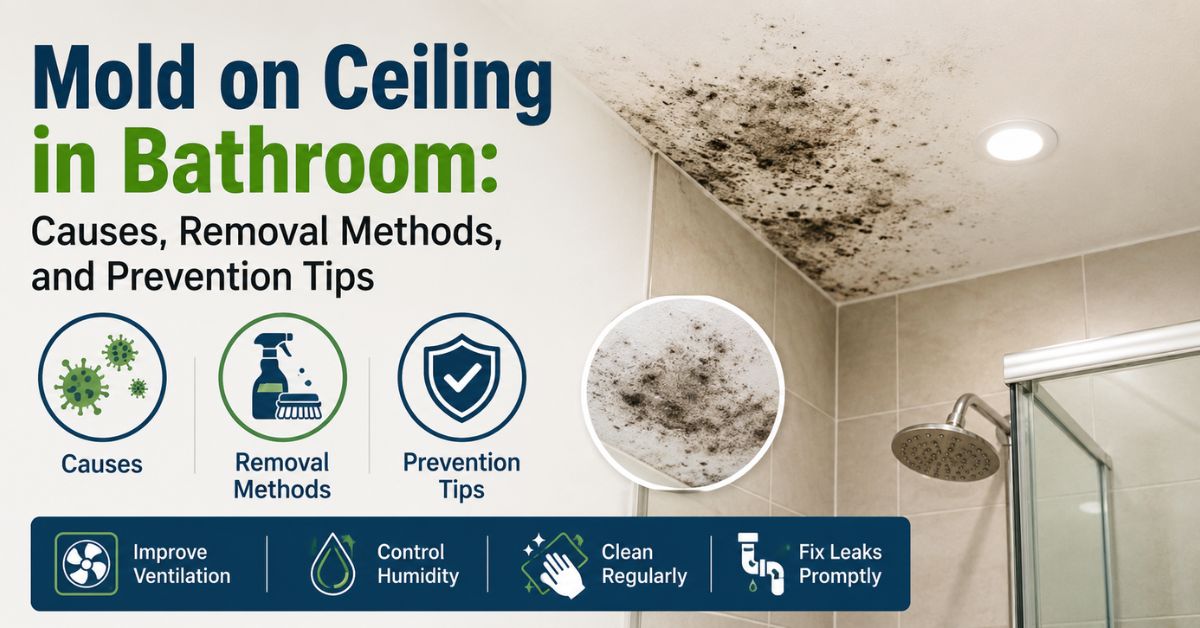
I first noticed mold on ceiling in bathroom after a long winter when the bathroom mirror stayed foggy for hours after every shower. At first, it looked like a few dark specks near the corner. Within weeks, those spots spread into larger patches that made the ceiling look dirty and neglected.
Bathroom ceiling mold is one of the most common household cleaning problems. Warm air, moisture, and poor ventilation create ideal conditions for mold growth. While small patches can often be handled with basic cleaning methods, ignoring the issue allows mold to spread and become more difficult to remove.
At Clean Home Craft, we regularly test practical household cleaning methods, and bathroom mold remains one of the issues homeowners ask about most often. The good news is that with the right approach, you can remove mold safely and reduce the chances of it returning.
Understanding Mold on Ceiling in Bathroom
Why Mold Grows on Bathroom Ceilings
Bathrooms generate moisture every day. Hot showers release steam that rises and settles on cooler surfaces. The ceiling often becomes the main collection point for this moisture.
Several factors encourage mold growth:
- Poor ventilation
- Frequent hot showers
- High indoor humidity
- Water leaks
- Inadequate insulation
- Delayed cleaning routines
When moisture remains on a ceiling for extended periods, mold spores can settle and begin growing.
Common Signs of Ceiling Mold
You may notice:
- Black, green, or brown spots
- Musty odors
- Peeling paint
- Discoloration near corners
- Damp ceiling surfaces
- Recurring stains after cleaning
Early detection makes removal much easier.
What Causes Mold on Ceiling in Bathroom?
Excess Humidity
Humidity is the leading cause of mold on ceiling in bathroom areas. Every shower releases moisture into the air. Without proper airflow, that moisture settles onto surfaces.
Poor Ventilation
Bathrooms without exhaust fans often experience ongoing condensation problems. Even bathrooms with fans may struggle if the fan is outdated or rarely used.
Hidden Leaks
Small plumbing leaks can go unnoticed for months. Water seeping from pipes or upper floors creates a continuous moisture source.
Cold Ceiling Surfaces
Poor insulation can make ceilings colder than surrounding air. Warm, humid air condenses on these surfaces, creating ideal mold-growing conditions.
Is Bathroom Ceiling Mold Dangerous?
Not every mold patch presents a serious health risk. However, prolonged exposure can cause problems for sensitive individuals.
Potential concerns include:
- Sneezing
- Coughing
- Eye irritation
- Nasal congestion
- Respiratory discomfort
People with asthma, allergies, or weakened immune systems should take mold growth seriously.
If mold covers a large area or repeatedly returns despite cleaning, professional inspection may be necessary.
How to Remove Mold on Ceiling in Bathroom Safely
Gather Your Supplies
Before starting, collect:
- Rubber gloves
- Protective eyewear
- Face mask
- Spray bottle
- Soft brush or sponge
- Clean cloths
- Step ladder
Safety should always come first when cleaning mold.
Step 1: Improve Ventilation
Open windows and run the bathroom fan before beginning. Better airflow reduces exposure to mold spores.
Step 2: Prepare a Cleaning Solution
Several solutions work effectively:
- White vinegar
- Hydrogen peroxide
- Mild detergent mixed with water
- Commercial mold remover
Many homeowners prefer vinegar because it is affordable and readily available.
Step 3: Apply the Cleaner
Spray the affected area thoroughly. Let the solution sit for 15 to 20 minutes.
This waiting period helps loosen mold and break down surface growth.
Step 4: Scrub Gently
Use a soft brush or sponge to remove visible mold.
Avoid aggressive scrubbing, which can damage paint and drywall.
Step 5: Dry Completely
Wipe the surface with a clean cloth and allow it to dry fully.
Moisture left behind can encourage new growth.
Cleaning Solution Comparison Table
| Cleaning Method | Best For | Pros | Cons |
| White Vinegar | Light to moderate mold | Natural and affordable | Strong smell |
| Hydrogen Peroxide | Stubborn stains | Effective disinfectant | May lighten painted surfaces |
| Mild Detergent | Small mold spots | Gentle on paint | On heavy mold, it is less effective |
| Commercial Mold Cleaner | Severe surface mold | Fast results | Higher cost |
| Baking Soda Solution | Maintenance cleaning | Safe and inexpensive | Limited power on heavy mold |
How to Prevent Mold from Returning
Use the Exhaust Fan Correctly
Run the fan during showers and for at least 20 minutes afterward.
Many homeowners switch the fan off too soon, allowing moisture to remain trapped.
Keep Humidity Low
A household dehumidifier can help if the bathroom stays damp for long periods.
Aim to keep indoor humidity below 60%.
Wipe Down Wet Surfaces
Quickly drying walls, mirrors, and ceilings reduces moisture buildup.
This simple habit often makes a noticeable difference.
Check for Leaks Regularly
Inspect:
- Shower fixtures
- Plumbing connections
- Ceiling stains
- Caulking around tubs
Early repairs prevent larger mold problems later.
Clean Frequently
For more home cleaning ideas, readers of Clean Home Craft often prefer simple maintenance routines using everyday household products. Regular bathroom cleaning helps prevent mold spores from establishing themselves.
When Should You Repaint the Ceiling?
After removing mold on ceiling in bathroom surfaces, repainting may improve appearance and protection.
Consider repainting when:
- Stains remain visible
- Paint is peeling
- Previous mold damage is extensive
Use moisture-resistant bathroom paint designed for high-humidity environments.
Many modern paints contain mildew-resistant additives that provide extra protection.
Mistakes to Avoid When Cleaning Bathroom Ceiling Mold
Painting Over Mold
Covering mold without removing it first only hides the problem temporarily.
The mold often returns through the paint layer.
Ignoring Ventilation Issues
Cleaning alone will not solve recurring mold growth if moisture remains uncontrolled.
Using Excess Water
Overly wet cleaning methods can soak drywall and worsen moisture problems.
Skipping Protective Equipment
Even small mold patches can release spores during cleaning.
Always wear basic protective gear.
Long-Term Maintenance Tips
Maintaining a mold-free bathroom requires consistency rather than intensive cleaning sessions.
Helpful habits include:
- Running exhaust fans daily
- Keeping shower curtains dry
- Leaving the bathroom door open after showers
- Cleaning ceilings every few months
- Monitoring humidity levels
- Repairing leaks promptly
Small preventive actions often save significant cleaning time later.
Conclusion
Dealing with mold on ceiling in bathroom areas can feel frustrating, especially when it keeps returning. In most cases, moisture control is the real solution. Proper ventilation, routine cleaning, and quick leak repairs help stop mold before it spreads.
A simple cleaning session can remove visible growth, but long-term prevention comes from keeping the bathroom dry and well ventilated. If you make these habits part of your routine, your ceiling can stay cleaner for much longer.
For more practical cleaning guides, household tips, and easy maintenance ideas, visit CleanHomeCraft.com and explore additional resources designed to make home care simpler and more effective.
The most common causes are excess humidity, poor ventilation, condensation, and hidden water leaks.
Yes. Small areas can usually be cleaned safely using vinegar, hydrogen peroxide, or commercial mold cleaners while wearing protective equipment.
A light inspection every month and cleaning every few months helps prevent mold buildup.
Bleach can remove surface discoloration, but it may not always eliminate mold roots in porous materials. Other cleaning solutions are often preferred.
Recurring mold usually indicates unresolved moisture problems, poor ventilation, or hidden leaks.
Professional help may be necessary if mold covers a large area, repeatedly returns, or appears linked to structural water damage.

Muhammad Ahad — Passionate writer sharing informative, engaging, and easy-to-read articles across different topics. Focused on delivering valuable content that helps readers learn, explore, and stay inspired every day.
1 thought on “Mold on Ceiling in Bathroom: Causes, Removal Methods, and Prevention Tips”