

Introduction
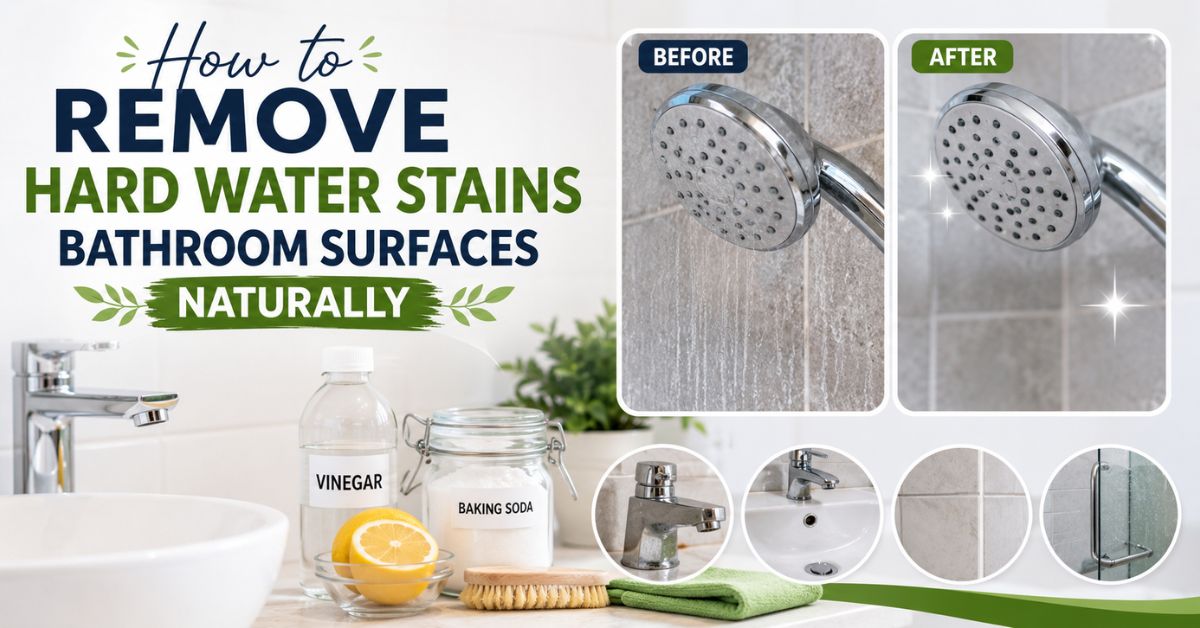
I noticed the first hard water stain in my bathroom near the faucet. It looked harmless at first, but within weeks, white chalky marks spread across the sink, shower glass, and even the toilet bowl. No matter how often I cleaned, the stains kept returning. That was the moment I realized normal wiping would never fully remove hard water stains bathroom surfaces collect over time.
Hard water leaves behind minerals like calcium and magnesium. These minerals stick to tiles, faucets, tubs, and glass. In some homes, the buildup becomes so thick that it dulls shiny surfaces and makes the bathroom look older than it really is.
After testing homemade mixes, store cleaners, and different scrubbing methods, I found a few techniques that actually work without damaging bathroom surfaces. Some are quick fixes, while others help prevent stains from coming back every week.
This guide shares the exact methods I personally rely on to remove hard water stains bathroom owners struggle with every day.
Why Hard Water Stains Become So Stubborn
Hard water stains are not ordinary dirt. They form when mineral-rich water evaporates and leaves deposits behind. The longer these minerals sit, the harder they become.
Common areas where stains appear include:
- Shower doors
- Sink faucets
- Toilet bowls
- Bathtubs
- Bathroom tiles
- Chrome fixtures
- Glass mirrors near sinks
Fresh stains usually wipe away easily. Old buildup turns crusty and often needs acidic cleaners to break it down.
I learned that aggressive scrubbing alone rarely helps. In fact, harsh scrubbing can scratch glass and metal finishes.
Signs Your Bathroom Has Hard Water Problems
Sometimes people confuse soap scum with hard water stains. The difference becomes obvious once you know what to look for.
Typical Hard Water Stain Signs
- White chalky residue
- Cloudy glass surfaces
- Rust-colored marks around drains
- Rough faucet texture
- Water spots that return quickly
- Dull chrome fixtures
If your bathroom dries with visible spotting every day, hard water is probably the cause.
Supplies I Use to Remove Hard Water Stains
I prefer simple cleaning supplies before trying expensive chemicals.
Basic Cleaning Supplies
- White vinegar
- Baking soda
- Lemon juice
- Spray bottle
- Microfiber cloths
- Soft scrub brush
- Old toothbrush
- Rubber gloves
- Dish soap
- Plastic scraper
Most bathroom stains respond well to acidic ingredients like vinegar or lemon juice because acids dissolve mineral deposits.
Best Methods to Remove Hard Water Stains Bathroom Surfaces Get
Different bathroom materials react differently to cleaners. I always match the cleaning method to the surface.
Vinegar Method for Glass Shower Doors
This is still my favorite solution for cloudy shower glass.
Steps I Follow
- Warm white vinegar slightly
- Pour it into a spray bottle
- Spray heavily on stained glass
- Let it sit for 15 minutes
- Wipe using a microfiber cloth
- Rinse with warm water
For thicker buildup, I repeat the process twice.
Sometimes I place vinegar-soaked paper towels directly on stubborn areas. That trick softens mineral layers surprisingly well.
Why Vinegar Works
The mild acid breaks down calcium deposits naturally without damaging glass.
Baking Soda Paste for Thick Mineral Deposits
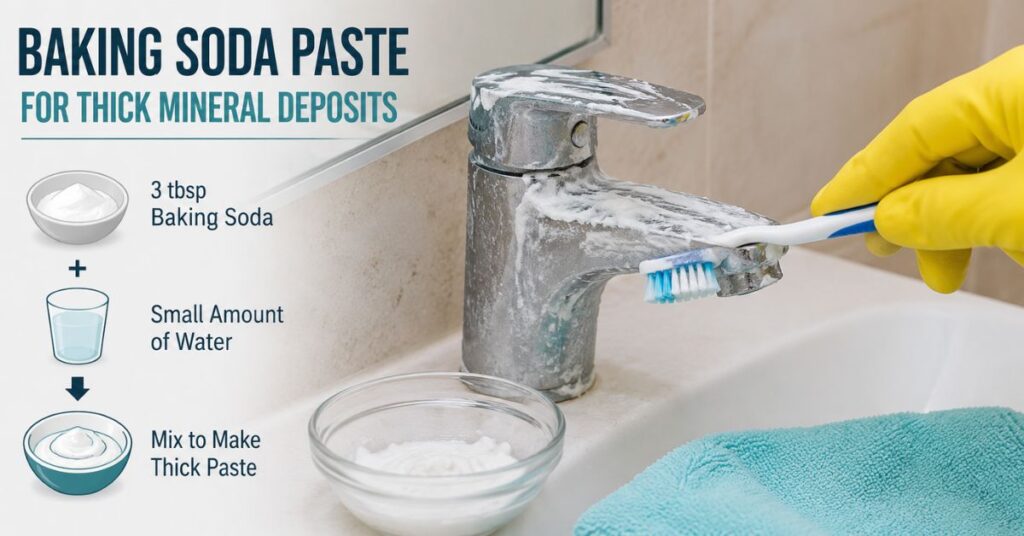
When stains become crusty, vinegar alone may not be enough.
I mix:
- 3 tablespoons baking soda
- Small amount of water
This creates a thick paste.
I spread the paste over stains and let it rest for 10 minutes before gentle scrubbing.
The paste adds mild abrasion without scratching most surfaces.
Cleaning Method Comparison Table
| Bathroom Surface | Best Cleaner | Waiting Time | Scrubbing Needed | Safe for Daily Use |
| Shower Glass | White Vinegar | 15 Minutes | Light | Yes |
| Chrome Faucets | Lemon Juice | 10 Minutes | Minimal | Yes |
| Toilet Bowl | Vinegar + Baking Soda | 20 Minutes | Medium | Yes |
| Ceramic Tiles | Vinegar Solution | 15 Minutes | Light | Yes |
| Bathtub | Baking Soda Paste | 10 Minutes | Medium | Yes |
| Showerhead | Vinegar Soak | 1 Hour | None | Yes |
How I Clean Hard Water Stains From Faucets
Chrome faucets lose shine quickly when mineral deposits build up.
My Faucet Cleaning Routine
I soak a cloth in vinegar and wrap it around the faucet for 15 minutes.
After removing the cloth:
- I scrub lightly with a toothbrush
- Rinse thoroughly
- Dry immediately
Drying matters more than most people realize. Water left sitting creates fresh stains within hours.
How to Remove Hard Water Stains Bathroom Tiles Collect
Bathroom tiles often trap minerals in grout lines.
My Tile Cleaning Method
I spray a vinegar-water mix directly onto tiles.
Mix ratio:
- 50% vinegar
- 50% warm water
After spraying:
- Wait 10 minutes
- Scrub grout using a toothbrush
- Wipe clean with warm water
For darker grout stains, I add baking soda before scrubbing.
Toilet Bowl Hard Water Stain Removal
Toilet stains can become extremely stubborn because minerals constantly sit in standing water.
I once ignored toilet bowl stains for months. The buildup became almost rock hard.
The Method That Finally Worked
- Pour one cup vinegar into the bowl
- Add half cup baking soda
- Let the fizzing mixture sit for 20 minutes
- Scrub with toilet brush
- Flush thoroughly
For thick rings, I repeat the process overnight.
Cleaning Showerheads With Heavy Mineral Buildup
A clogged showerhead usually sprays uneven water.
Instead of replacing it, I clean it using vinegar soaking.
What I Do
- Fill a plastic bag with vinegar
- Tie it around the showerhead
- Leave overnight
- Remove and rinse
Mineral chunks often fall out immediately afterward.
This method restored strong water pressure in my own bathroom.
Natural Solutions vs Commercial Cleaners
I tested both many times.
Natural Cleaners
Advantages:
- Cheaper
- Safer around kids
- Less harsh smell
- Eco-friendly
Disadvantages:
- Slower on heavy stains
- Requires repeated use
Commercial Cleaners
Advantages:
- Faster results
- Stronger formulas
- Good for severe buildup
Disadvantages:
- Strong chemical odor
- Can damage delicate finishes
- More expensive
For routine cleaning, I usually stick with natural methods.
Mistakes That Make Hard Water Stains Worse
I learned several cleaning mistakes the hard way.
Common Mistakes
- Using steel wool on glass
- Ignoring water spots for weeks
- Mixing harsh chemicals
- Not drying surfaces after cleaning
- Using abrasive brushes on chrome
One scratched shower door can permanently trap stains.
Daily Habits That Prevent Hard Water Stains
Prevention saves more time than deep cleaning.
Habits That Help Most
- Wipe shower glass after use
- Dry faucets daily
- Use bathroom ventilation
- Clean weekly before buildup thickens
- Install a water softener if possible
A small squeegee in the shower makes a huge difference.
Should You Install a Water Softener?
After years of cleaning hard water stains, I understand why many homeowners install softeners.
Benefits of Water Softeners
- Less mineral buildup
- Cleaner bathroom surfaces
- Longer plumbing life
- Easier cleaning
- Better soap performance
The upfront cost may feel high, but it reduces constant scrubbing.
Best Homemade Spray to Remove Hard Water Stains Bathroom Areas Get
I keep one simple spray bottle under the sink at all times.
My Homemade Cleaner Recipe
- 1 cup white vinegar
- 1 cup warm water
- Few drops dish soap
This works well on:
- Tiles
- Faucets
- Glass
- Sink surfaces
I avoid using vinegar on natural stone because it can damage marble or granite.
How Often Should You Clean Hard Water Stains?
This depends on your water quality.
My Recommended Schedule
- Daily: Wipe wet surfaces
- Weekly: Spray vinegar solution
- Monthly: Deep clean bathroom fixtures
- Every 3 Months: Clean showerhead thoroughly
Frequent light cleaning works better than occasional aggressive scrubbing.
Conclusion
Learning how to remove hard water stains bathroom surfaces collect changed the way I clean my home. I used to spend hours scrubbing cloudy glass and crusty faucets without real results. Once I started using vinegar, baking soda, and simple prevention habits, the stains became much easier to control.
The biggest lesson I learned is consistency matters more than aggressive cleaning. Small daily habits prevent thick mineral buildup from taking over your bathroom.
If your bathroom currently looks dull or spotted, start with one area first. Even a simple vinegar spray can make old surfaces look fresh again. Try a few methods from this guide and build a routine that fits your home.
Vinegar is safe for glass, ceramic, and chrome when used properly. Avoid using it on natural stone like marble or granite.
Minerals like calcium and magnesium remain behind after water evaporates. These minerals create visible white or cloudy stains.
Spray warm vinegar on the glass, wait 15 minutes, then wipe with a microfiber cloth. Repeat if needed.
Most stains are removable if treated early. Very old mineral buildup may require repeated cleaning sessions.
Yes. Baking soda works well when combined with vinegar or water to create a gentle scrubbing paste.
If water remains on surfaces after use, minerals dry and create new buildup. Drying surfaces daily helps prevent this.

Muhammad Ahad — Passionate writer sharing informative, engaging, and easy-to-read articles across different topics. Focused on delivering valuable content that helps readers learn, explore, and stay inspired every day.
1 thought on “How to Remove Hard Water Stains Bathroom Surfaces Naturally”