

Introduction
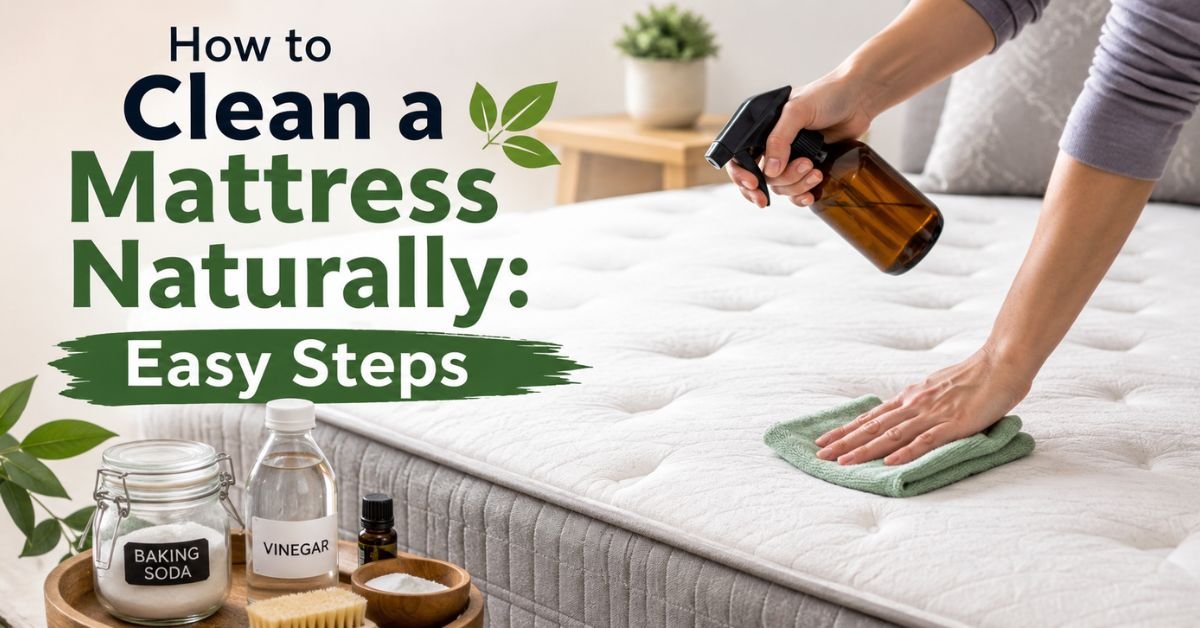
If your mattress looks clean but has a stale smell, dusty surface, or small sweat stains, you do not always need strong commercial products. Learning how to clean a mattress naturally can help freshen it with simple household ingredients and a little patience. I have found that regular mattress care works best when you deal with odors and surface dirt before they become stubborn.
At Clean Home Craft, we prefer practical cleaning methods that are affordable, simple, and suitable for everyday homes. With baking soda, mild soap, vinegar, and clean water, you can give your mattress a fresher feel without soaking it.
The key is moisture control. A mattress can take a long time to dry, so the goal is to clean the surface without making the inner layers wet.
What You Need Before Cleaning
Gather your supplies before moving the mattress around. Having everything nearby makes the process quicker and prevents you from leaving a damp mattress unattended.
You will need:
- A vacuum cleaner with an upholstery attachment
- Baking soda
- White vinegar
- Mild liquid soap
- Clean water
- Two or three microfiber cloths
- A soft cleaning brush
- A spray bottle
- Several dry towels
- A fan, if available
You do not need every item for every stain. In fact, using fewer products is often better.
Before applying anything, check the mattress care label. Some mattresses have specific cleaning instructions, and following them helps protect the materials and warranty.
How to Clean a Mattress Naturally Step by Step
1. Strip the Bed Completely
Start by removing sheets, blankets, mattress protectors, and pillows. Bedding should be washed according to its care instructions.
While the bed is empty, open nearby windows if weather permits. Good airflow will help later when the mattress needs to dry.
Do not immediately spray the mattress. First, remove loose dirt and dust.
2. Vacuum the Entire Mattress
Run the vacuum slowly over the entire mattress surface. Pay extra attention to seams, corners, edges, and areas where dust tends to collect.
Use the upholstery attachment rather than pressing a regular floor head aggressively against the fabric.
For better results, vacuum in overlapping passes. This gives the vacuum more opportunity to collect fine particles.
If the mattress has been sitting uncovered for a long time, vacuum both sides if the manufacturer allows it.
3. Freshen It With Baking Soda
Baking soda is one of the easiest natural options for reducing everyday mattress odors.
Apply a thin, even layer to the mattress. Avoid creating thick piles because they are harder to remove.
Leave the baking soda for several hours. If possible, let it sit for four to eight hours while the mattress remains dry.
Then vacuum slowly until no visible powder remains.
This method is especially useful after hot weather, when sweat and body oils can leave the mattress smelling less fresh.
4. Treat Small Stains Carefully
For a small fresh stain, mix a little mild liquid soap with cool water. Dip a microfiber cloth into the solution and wring it out thoroughly.
The cloth should be damp, not dripping.
Gently blot the stained area. Avoid scrubbing hard because aggressive rubbing can push the stain deeper into the fabric.
Next, use another cloth lightly dampened with clean water to remove soap residue.
Finally, press a dry towel against the area to absorb moisture.
5. Use Vinegar for Stubborn Odors
If an odor remains, diluted white vinegar can help neutralize unpleasant smells.
Add equal parts of white vinegar and water to a spray bottle. Lightly mist the affected surface rather than soaking it.
Keep the spray very fine and use only enough to slightly dampen the fabric.
Afterward, improve ventilation by opening windows or running a fan.
Never combine vinegar with bleach or other strong cleaning chemicals. Also, test any homemade solution on a small hidden area first.
How to Clean a Mattress Naturally Without Soaking It
Moisture is the biggest issue when cleaning a mattress at home. Unlike a washable rug, a mattress cannot simply be thrown into a washing machine or dried quickly in a dryer.
Use this simple rule:
Clean lightly → blot quickly → ventilate thoroughly.
If a mattress becomes heavily saturated, the inner material may stay damp long after the surface feels dry. That can create an unpleasant environment and may damage certain mattress materials.
Therefore, avoid pouring cleaning solutions directly onto the mattress.
Instead:
- Mist rather than soak.
- Blot rather than scrub.
- Use dry towels immediately.
- Keep air moving around the mattress.
- Allow complete drying before putting bedding back on.
Natural Mattress Cleaning Methods Compared
| Method | Best For | Time Needed | Moisture Level |
| Vacuuming | Dust and loose debris | 15–20 min | None |
| Baking soda | Everyday odors | 4–8 hrs | None |
| Mild soap solution | Small surface stains | 15–30 min | Low |
| Diluted vinegar | Lingering odors | 20–40 min | Low |
| Air drying | Final freshening | Several hours | Helps remove moisture |
The best approach is usually a combination rather than one method alone. For example, vacuum first, deodorize with baking soda, and spot-clean only the areas that actually need attention.
Natural Ways to Handle Common Mattress Problems
Sweat and Body-Oil Marks
Sweat marks often appear around areas where the body spends the most time. Start with vacuuming, then use a barely damp cloth with mild soap.
Do not oversaturate the fabric.
For older discoloration, several gentle treatments may work better than one aggressive attempt.
Musty Smell
A musty odor may indicate trapped moisture, so do not simply cover it with fragrance.
First, allow the mattress to breathe. Then vacuum it and apply baking soda.
If the smell persists, inspect the surrounding bedroom for dampness or poor ventilation.
Fresh Spills
Act quickly. Press a dry towel against the spill to absorb as much liquid as possible.
Do not rub the area back and forth.
Once most of the liquid has been removed, use a small amount of mild soap solution if necessary. Finish by blotting with a clean damp cloth and then a dry towel.
Pet Odors
For pet-related odors, remove as much moisture as possible first. Baking soda can help with lingering surface smells.
However, if urine has penetrated deeply into the mattress, a surface cleaning method may not be enough. In that situation, professional mattress cleaning may be more appropriate.
A Simple Mattress-Care Routine
You do not need to deep-clean your mattress every week. Instead, make small maintenance habits part of your normal bedroom routine.
Every week or two:
- Wash bedding regularly.
- Vacuum visible dust when needed.
- Check for new stains.
- Keep the bedroom ventilated.
- Let the mattress air out when practical.
Every few months, perform a more thorough surface refresh with vacuuming and baking soda.
At Clean Home Craft, we recommend focusing on prevention because it reduces the need for heavy cleaning later.
Mistakes to Avoid When Cleaning a Mattress
Some cleaning habits can cause more problems than they solve.
Do Not Soak the Mattress
Large amounts of water are difficult to remove from deep layers.
Do Not Scrub Aggressively
Hard brushing can damage fabric and spread stains.
Do Not Mix Cleaning Chemicals
Natural products are not automatically safe when mixed with other substances. In particular, never mix vinegar with bleach.
Do Not Cover a Damp Mattress
Give it plenty of time to dry before replacing sheets and blankets.
Do Not Ignore the Care Label
Different mattress materials can respond differently to moisture, heat, and cleaning products.
Conclusion
Learning how to clean a mattress naturally does not require a complicated collection of products. Start by stripping the bed, vacuuming carefully, and using baking soda to freshen odors. For small stains, use a tiny amount of mild soap solution and blot rather than scrub. If necessary, diluted vinegar can help with lingering surface odors.
Most importantly, keep moisture low and give the mattress plenty of time to dry. A gentle routine is usually safer and easier than trying to deep-clean the mattress with excessive water.
For more practical household cleaning ideas, visit CleanHomeCraft.com and explore Clean Home Craft for simple ways to keep your home feeling fresher.
Yes. Baking soda is useful for absorbing and reducing everyday odors. Sprinkle a thin layer over the mattress, leave it for several hours, and vacuum it thoroughly.
A light refresh every few months works well for many households. Vacuuming and checking for stains can happen more often, depending on your bedroom environment and personal routine.
It is better to dilute vinegar with water and apply only a light mist to a small affected area. Avoid soaking the mattress and always test the solution first.
Blot the spill immediately with a dry towel. Then use a small amount of mild soap diluted in cool water. Blot gently and dry the area thoroughly.
No. Baking soda is more useful for odors and light surface freshening than for removing every type of stain.
For general deodorizing, several hours is a practical starting point. Afterward, vacuum slowly and thoroughly.

Muhammad Ahad — Passionate writer sharing informative, engaging, and easy-to-read articles across different topics. Focused on delivering valuable content that helps readers learn, explore, and stay inspired every day.
1 thought on “How to Clean a Mattress Naturally: Easy Steps ”